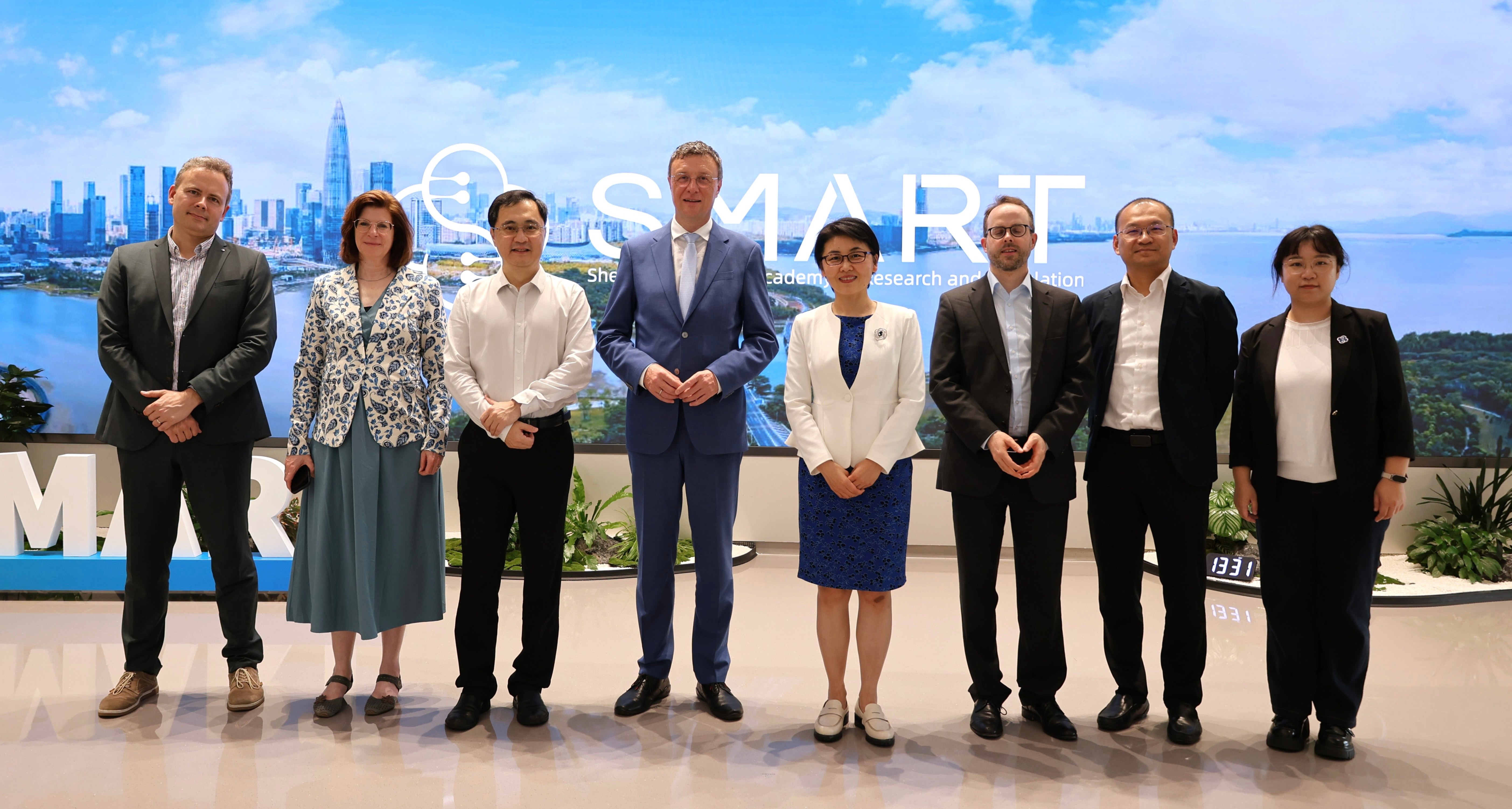
On April 18, a delegation from the Max Planck Society, led by its President Patrick Cramer, visited the Shenzhen Medical Academy of Research and Translation (SMART). The visit was accompanied by Dr. Zhang Lin, Director-General of the Shenzhen Municipal Science, Technology and Innovation Bureau; Prof. Nieng Yan, Founding President of SMART; and Dr. Zhang Xinhao, Deputy Party Secretary of SMART. During the visit, the delegation was briefed on SMART's overall development and progress in interdisciplinary research, talent development, international education and exchange, and research infrastructure.
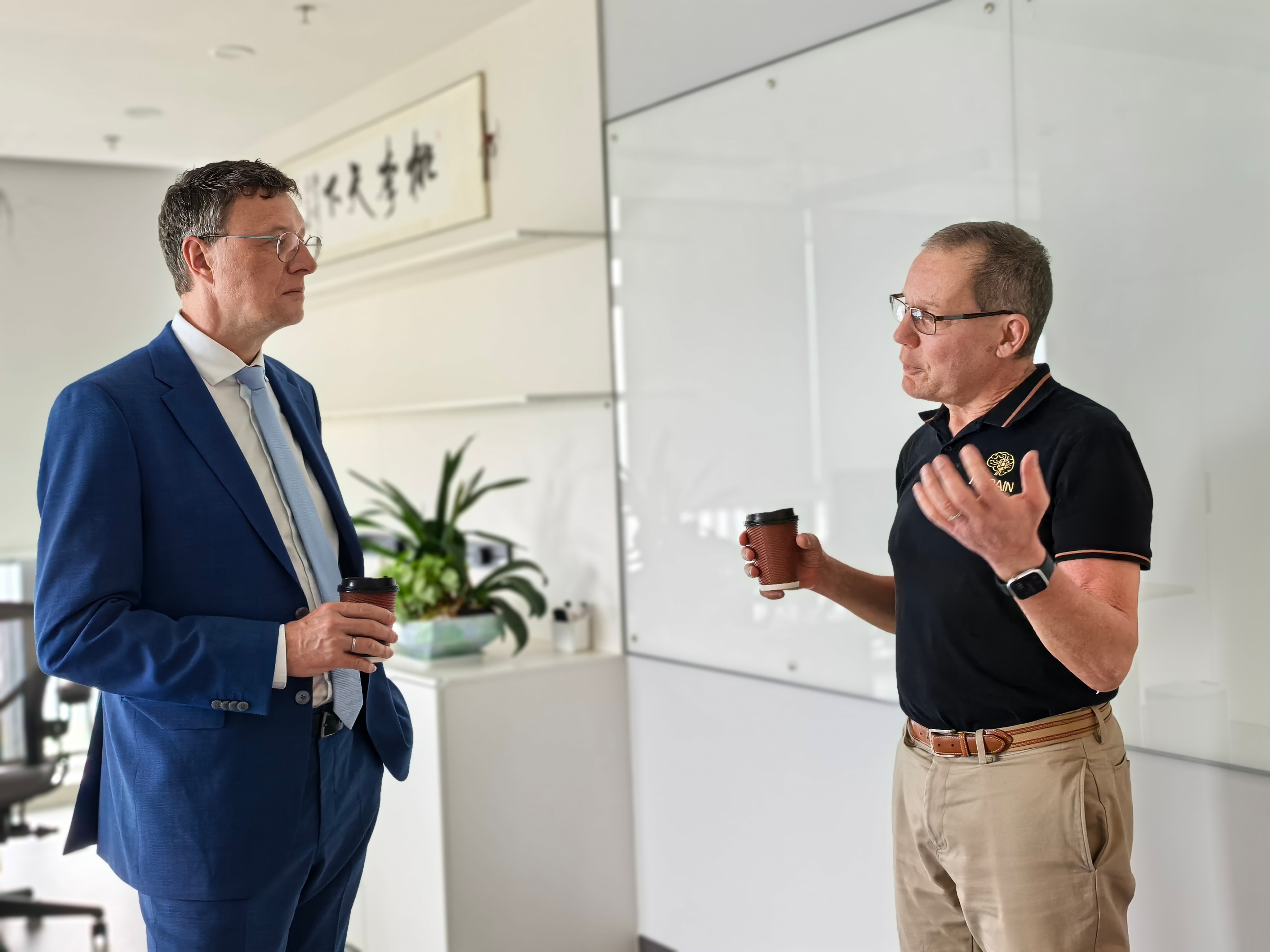
The delegation visited the Institute for Brain Research Advanced Interfaces and Neurotechnologies (i-BRAIN) and met with its director, Prof. Charles Lieber. i-BRAIN integrates science, engineering, and medicine to advance frontier research, including brain–computer interface technologies.
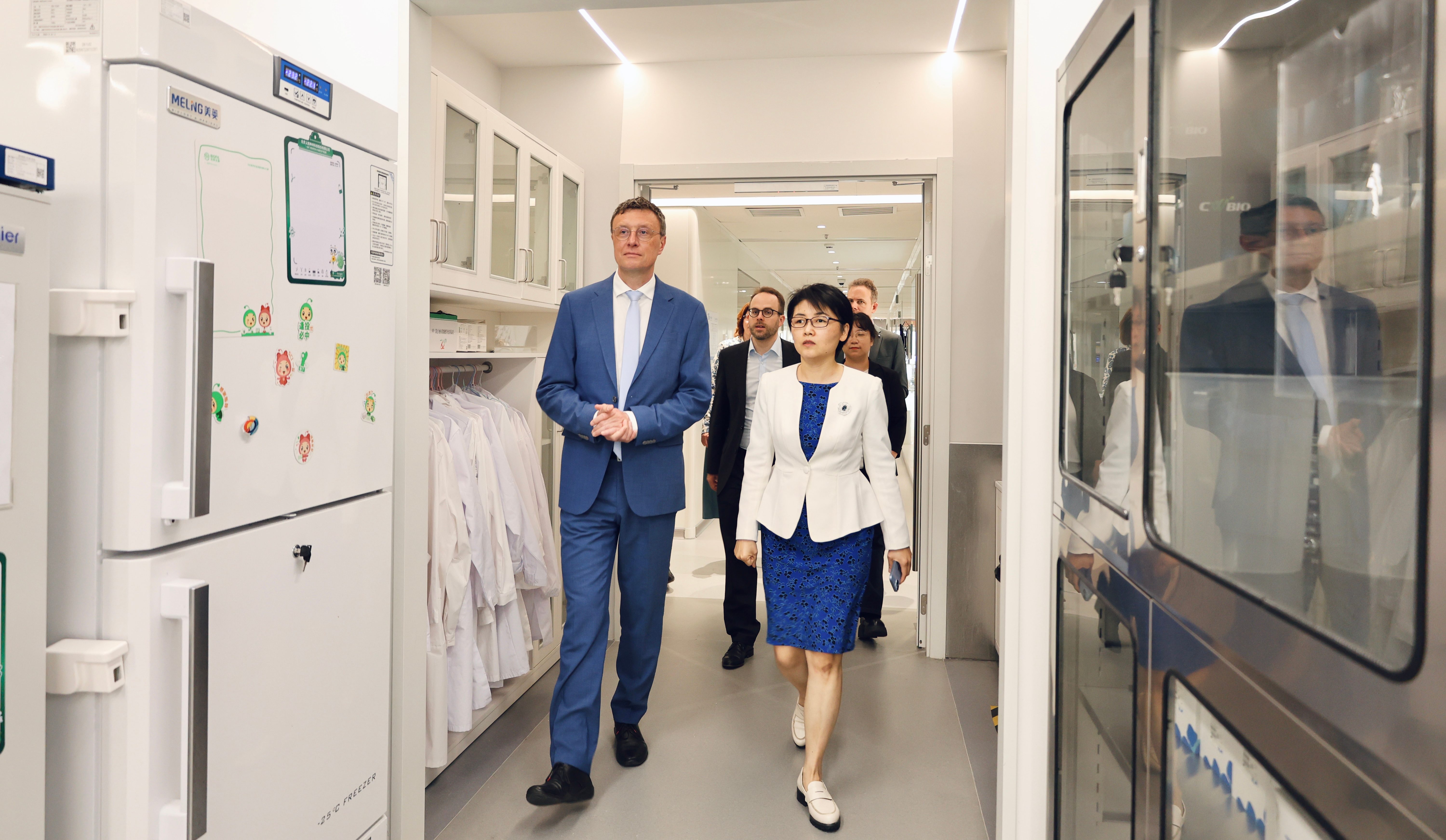
The delegation also visited the Institute of Bio-Architecture and Bio-Interactions (IBABI), which brings together structural biology, systems biology, computational science, and artificial intelligence to study biological systems across multiple scales. President Cramer met with Principal Investigator Dr. Alexey Amunts and Dr. Meijing Li and received a briefing from Dr. Amunts on his latest research in Shenzhen. The findings have been posted on the LTS Preprint Server, enabling rapid dissemination and global sharing of research outputs, and supporting international collaboration in line with the principles of Open Science.
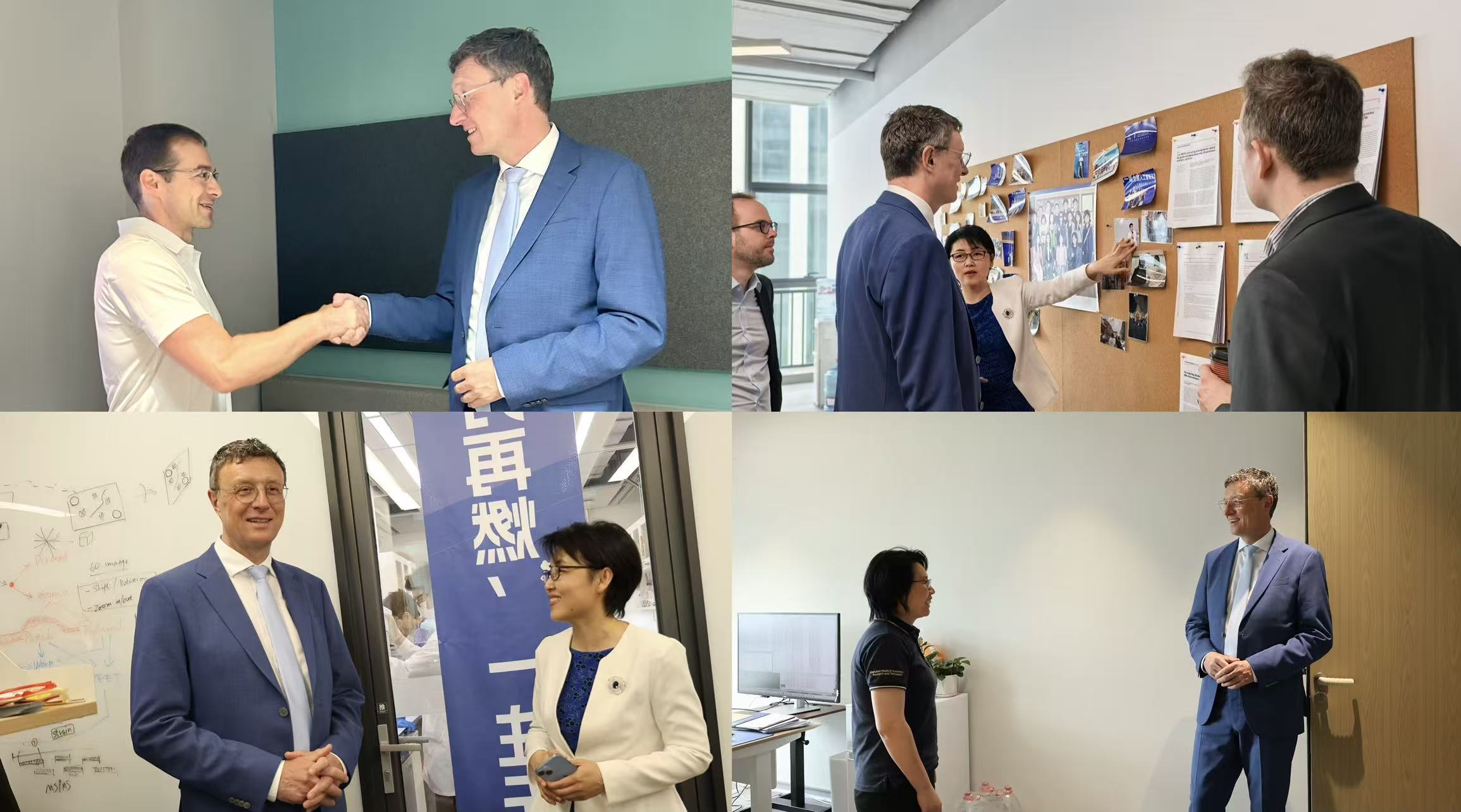
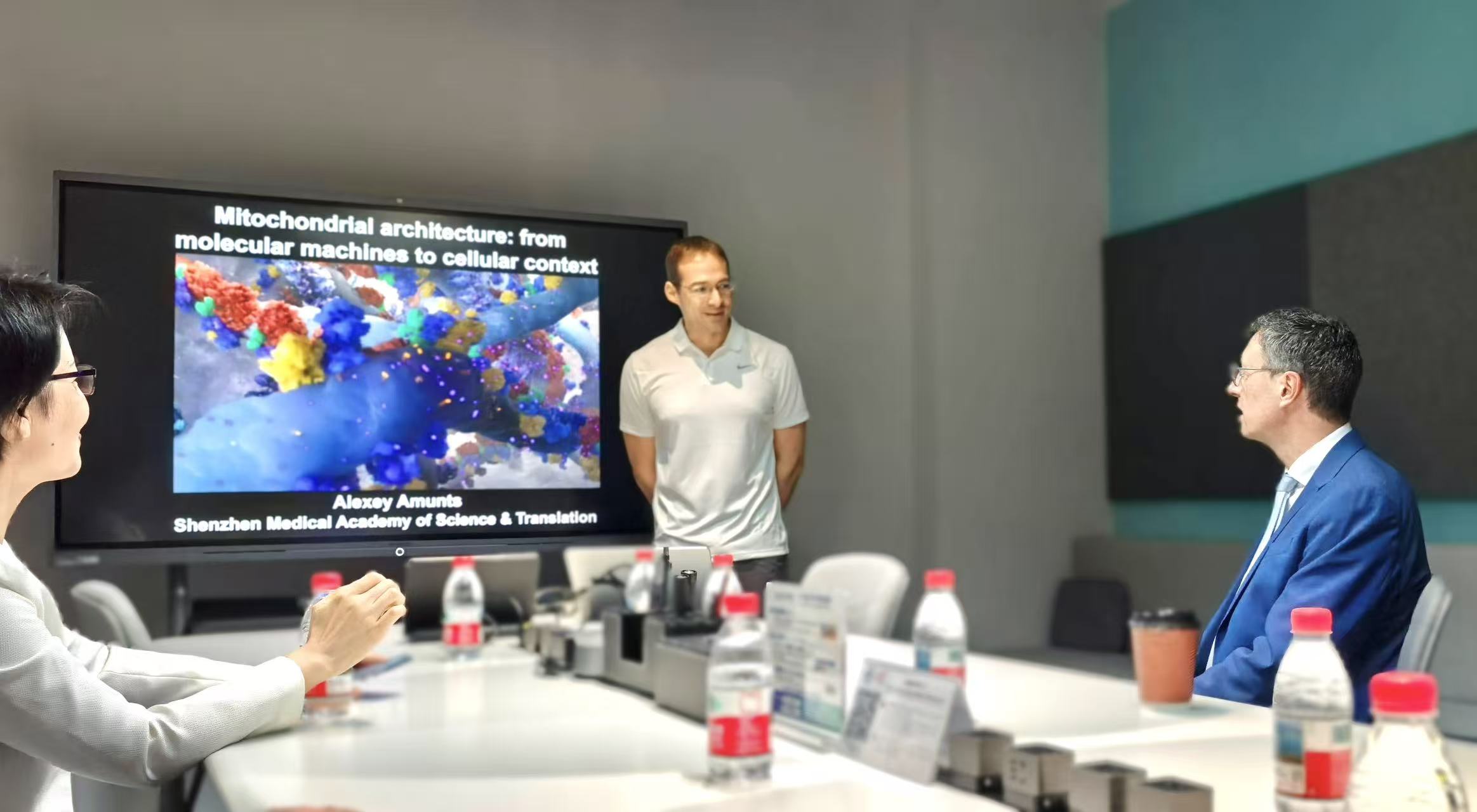
As a leading basic research organization, the Max Planck Society aligns with SMART in several areas of biomedical science. Guided by clinical needs, SMART focuses on major health challenges, including neurological and psychiatric disorders, cancer, chronic diseases, rare diseases, and infectious diseases, and seeks to integrate basic research and translational medicine. The two sides discussed possible collaboration in frontier research and talent development and agreed to maintain communication and explore future cooperation.
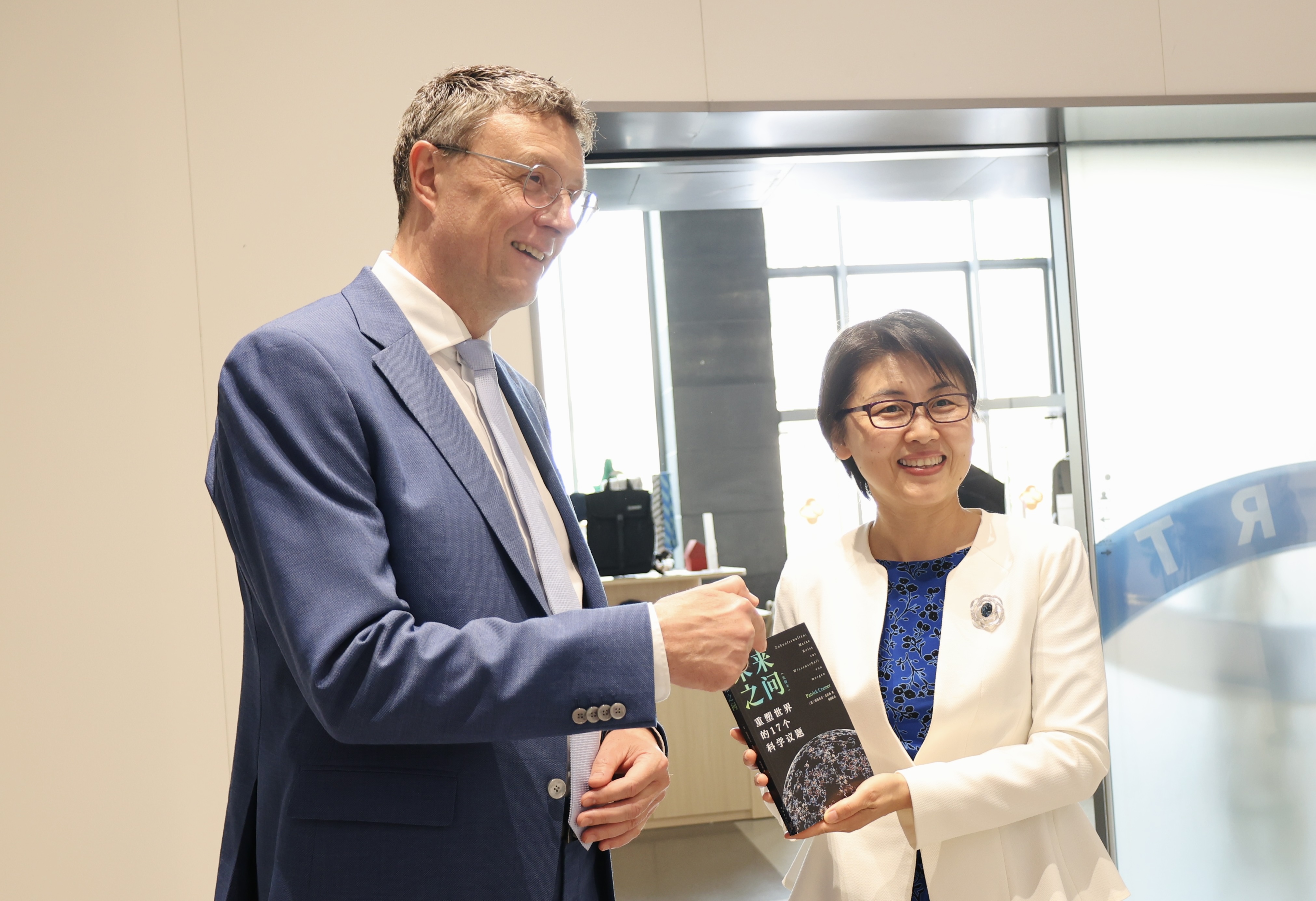
With international scientific collaboration increasingly emphasizing openness and shared innovation, and with the Asia-Pacific Economic Cooperation (APEC) Economic Leaders' Meeting to be held in Shenzhen in 2026, new opportunities are emerging for global engagement. SMART will continue to advance collaboration with the Max Planck Society, contributing to scientific progress and global health.
talent@smart.org.cn
researcher@smart.org.cn
recruitment@smart.org.cn
graduate_office@smart.org.cn
graduate_admission@smart.org.cn
otl@smart.org.cn
smartfund@smart.org.cn
pr@smart.org.cn
Subscription successful! Thank you for following SMART.