Scientific progress has always been driven by the breaking of boundaries.
Today, the questions that will define the next generation of medical breakthroughs increasingly lie beyond the scope of any single discipline. How does the brain generate consciousness? How do cells sense and respond to their environment? How can we design next-generation biomaterials capable of precisely targeting disease? How can nanoscale technologies transform the way we understand life itself? These are questions without simple answers, and they cannot be solved within the confines of one field alone. Instead, they demand the combined expertise of the life sciences, medicine, chemistry, physics, engineering and, increasingly, artificial intelligence. Together, these disciplines are reshaping the future of scientific discovery.
Against this backdrop, interdisciplinary collaboration is no longer simply one approach to research—it has become one of the most powerful drivers of fundamental discovery.
Separated by more than 10,000 kilometres, two cities and two institutions have found common ground through a shared vision of science.
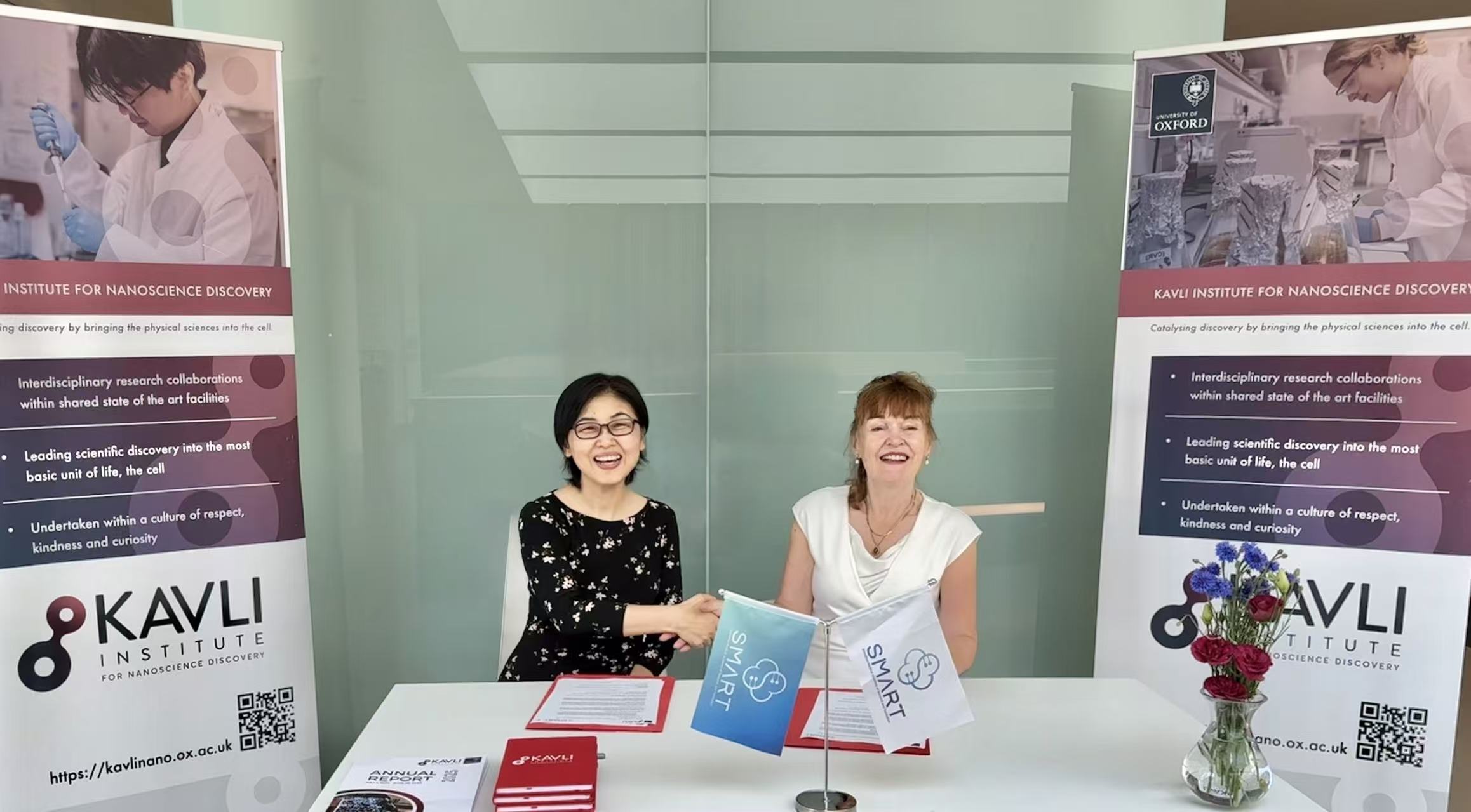
In July 2026, the Shenzhen Medical Academy of Research and Translation (SMART) and the University of Oxford's Kavli Institute for Nanoscience Discovery (Kavli INsD, Oxford) signed a Memorandum of Understanding (MoU), marking the beginning of a strategic partnership in research and education. The agreement was witnessed by Professor Nieng Yan, Founding President of SMART, and Professor Dame Carol Robinson, Director of the Kavli Institute for Nanoscience Discovery and one of the world's leading biochemists.
If interdisciplinarity represents the future of scientific research, then SMART and the Kavli Institute for Nanoscience Discovery represent two distinct yet remarkably complementary approaches to putting that vision into practice.
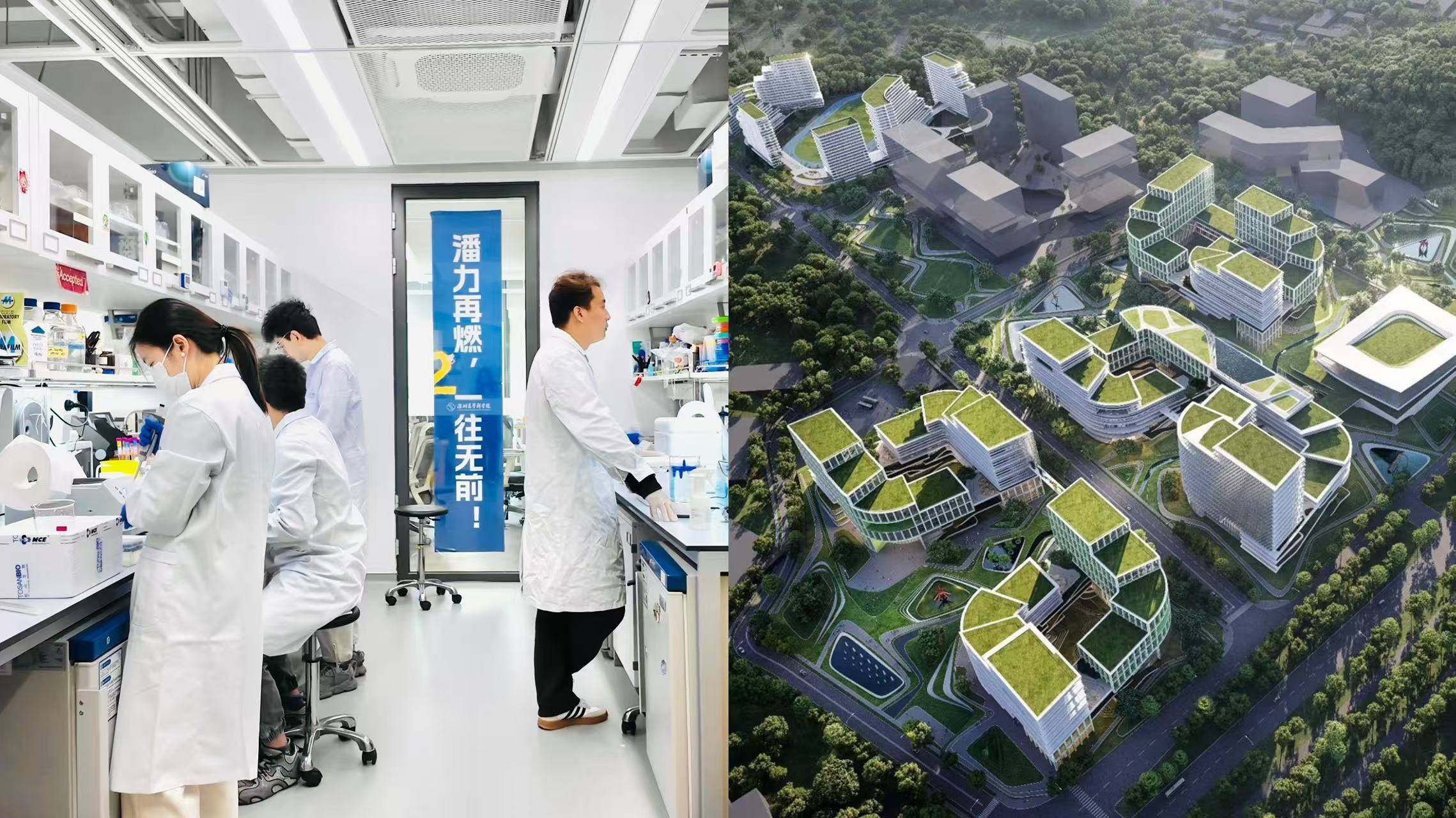
Founded in 2023, SMART was established with the ambition of building a world-leading hub for biomedical research and education. Guided by major scientific challenges, grounded in fundamental research and driven by translational medicine, SMART is exploring a more open, flexible and internationally connected model for scientific discovery. SMART has brought together researchers from around the world and continues to attract outstanding scientists internationally. Through initiatives including its International PhD Programme and the SMART Symposia, SMART is building an open and inclusive global research network, creating opportunities for researchers from different disciplines and cultures to exchange ideas, challenge assumptions and inspire new discoveries.
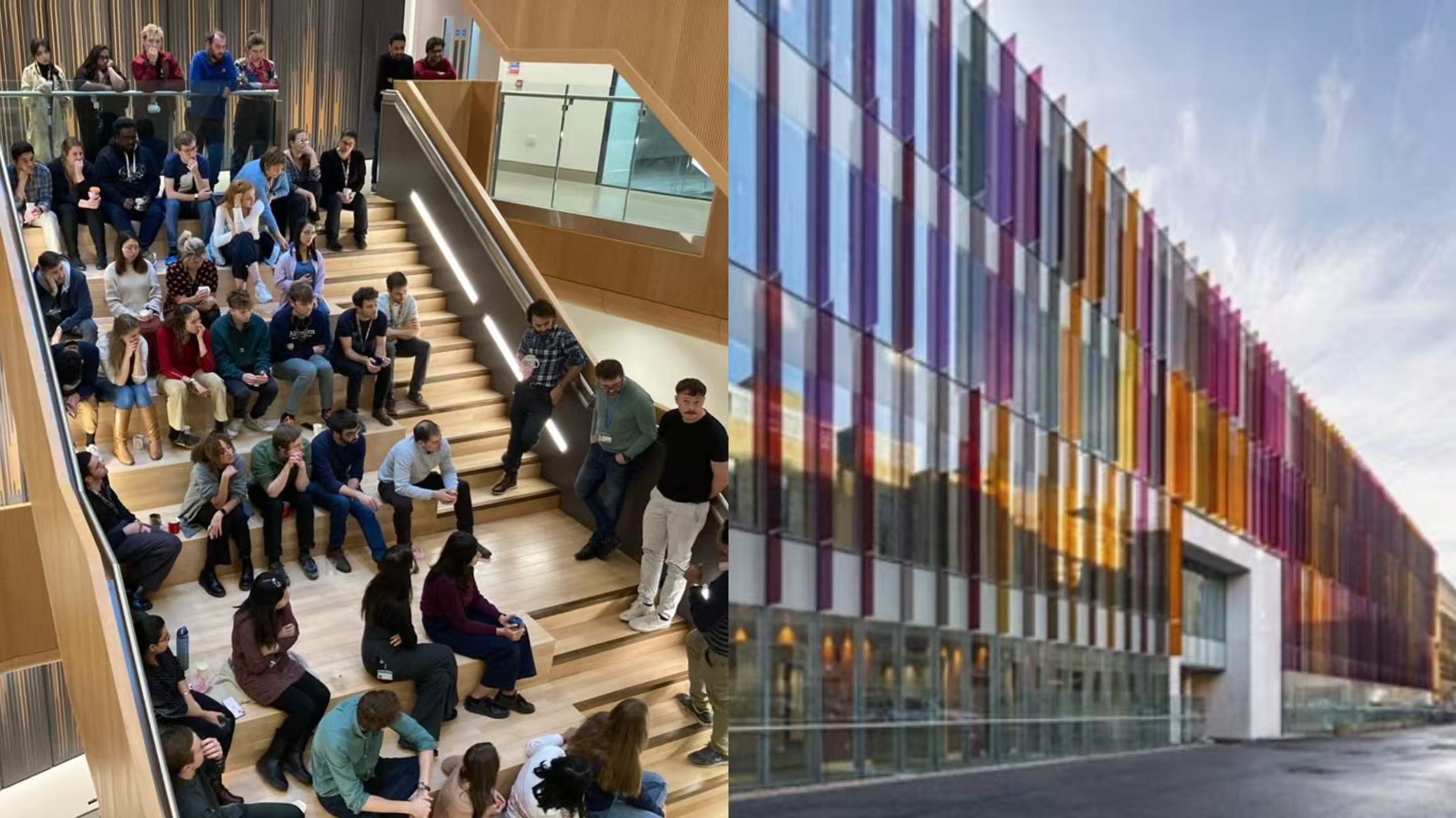
Established in 2021, the Kavli Institute for Nanoscience Discovery has reimagined scientific organisation from a different perspective. As the University of Oxford's first interdisciplinary institute spanning the life sciences, medicine and the physical sciences, it was designed not around traditional academic departments but around the scientific questions that matter most. Today, the Institute brings together more than 40 independent investigators whose expertise spans biology, chemistry, physics, engineering and related disciplines. Their collaborative research addresses some of today's most pressing scientific challenges, including brain and mental health, infectious diseases, antimicrobial resistance, membrane biology, nanoscale technologies and next-generation biomaterials. By bringing together diverse scientific perspectives, the Institute seeks to create an environment where transformative discoveries emerge naturally at the interfaces between disciplines.
It is this shared philosophy that has made collaboration between the two institutions such a natural progression.
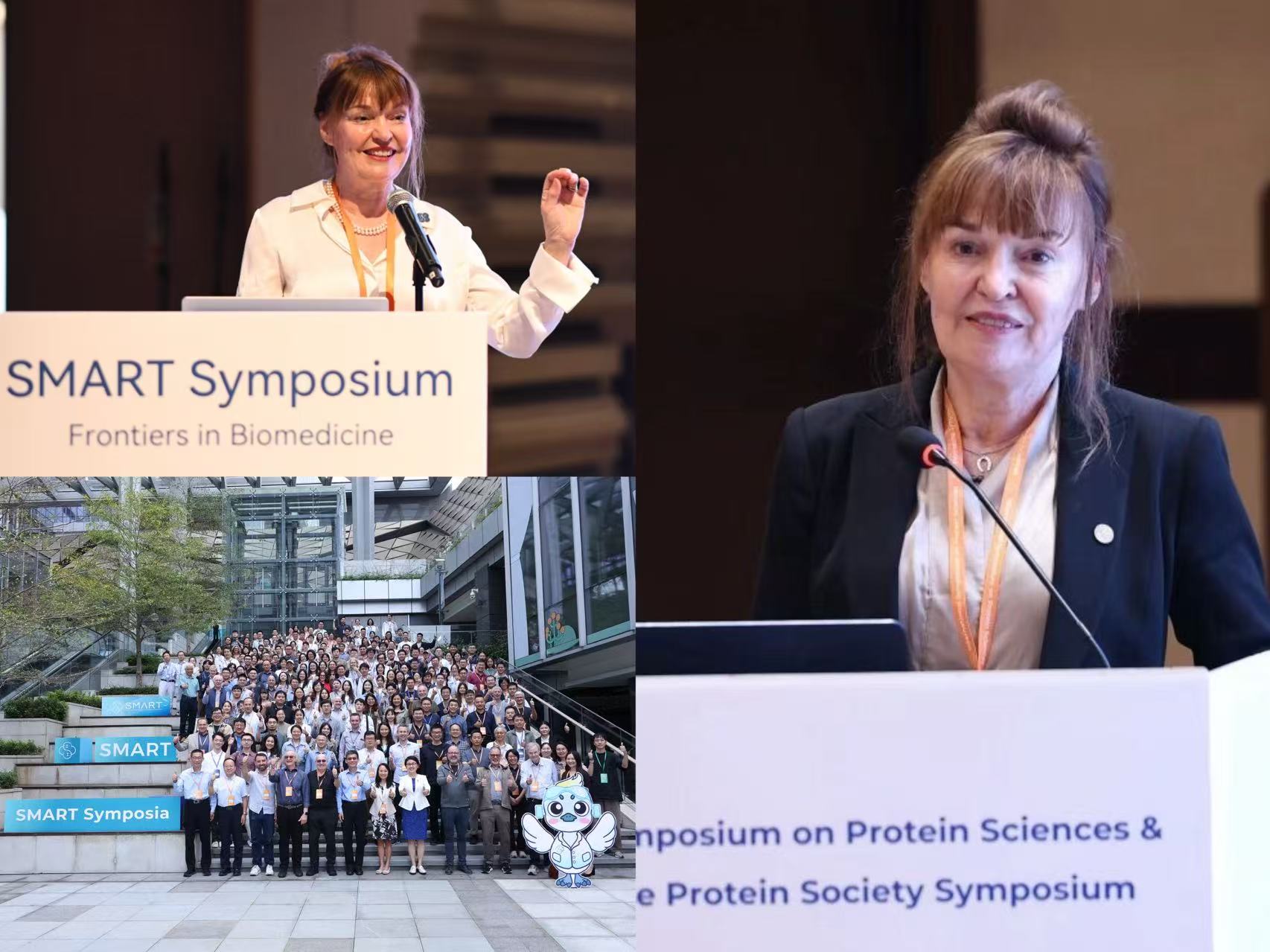
In many ways, the partnership began well before the signing of the agreement. Over recent years, Prof. Robinson has twice participated in the SMART Symposia, engaging in extensive discussions with researchers from around the world on topics including membrane proteins, mass spectrometry and structural biology. Those scientific exchanges not only sparked new research ideas, but also reinforced a shared belief: the most important scientific questions often emerge between disciplines—and can only be answered by bringing those disciplines together.
Under the Memorandum of Understanding, SMART and the Kavli Institute for Nanoscience Discovery will pursue collaborative research in areas including antimicrobial resistance and microbial mechanisms, cell signalling, infectious diseases, membrane biology, the development of novel nanoscience tools, next-generation biomaterials, brain health and malaria. The two institutions will also explore opportunities to jointly pursue international research funding, further strengthening collaborative innovation and advancing both technological and conceptual breakthroughs.
Beyond specific research themes, however, the most significant outcome of this partnership may be the research environment it helps to create.
The two institutions will promote reciprocal exchanges of researchers and early-career scientists, enabling young investigators to experience different research cultures, collaborate within interdisciplinary teams, broaden their international perspectives and discover new scientific questions through the exchange of ideas.
Scientific innovation today depends more than ever on openness, collaboration and the free exchange of knowledge across borders and disciplines. Shenzhen and Oxford may be separated by thousands of miles, but they share a common belief in how science should be organised and how discovery should be pursued. From the life sciences to chemistry, physics and nanoscience, different disciplines converge towards a common goal: improving human health.
The signing of this MoU marks not only the beginning of a new partnership between SMART and the Kavli Institute for Nanoscience Discovery, but also a shared vision for the future of scientific research. Looking ahead, SMART will continue to embrace openness, international collaboration and interdisciplinary innovation, working alongside leading institutions worldwide to connect disciplines, bring together diverse perspectives, foster original discoveries and address the scientific challenges that matter most to humanity.
talent@smart.org.cn
researcher@smart.org.cn
recruitment@smart.org.cn
graduate_office@smart.org.cn
graduate_admission@smart.org.cn
otl@smart.org.cn
smartfund@smart.org.cn
pr@smart.org.cn
Subscription successful! Thank you for following SMART.