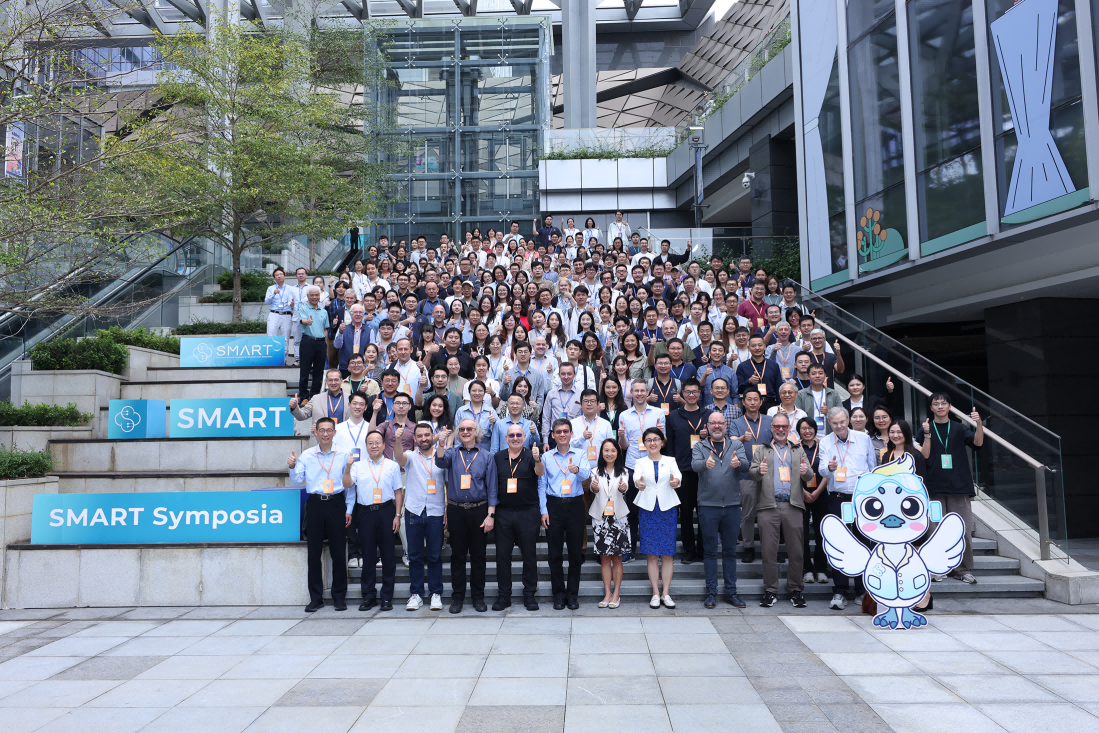
From November 10 to 14, 2025, the International Symposium on Protein Sciences & The 9th Chinese Protein Society Symposium were jointly held in Guangming District, Shenzhen. Co-organized by Shenzhen Medical Academy of Research and Translation and Protein Society of the Chinese Society of Biochemistry and Molecular Biology, the symposium aimed to establish a high-level global platform for deepening the integration of basic science and applied research. This symposium brought together nearly 60 leading researchers from across the world, who engaged in in-depth discussions on recent advances and innovative applications in protein sciences, thereby promoting interdisciplinary exchange and international collaboration.
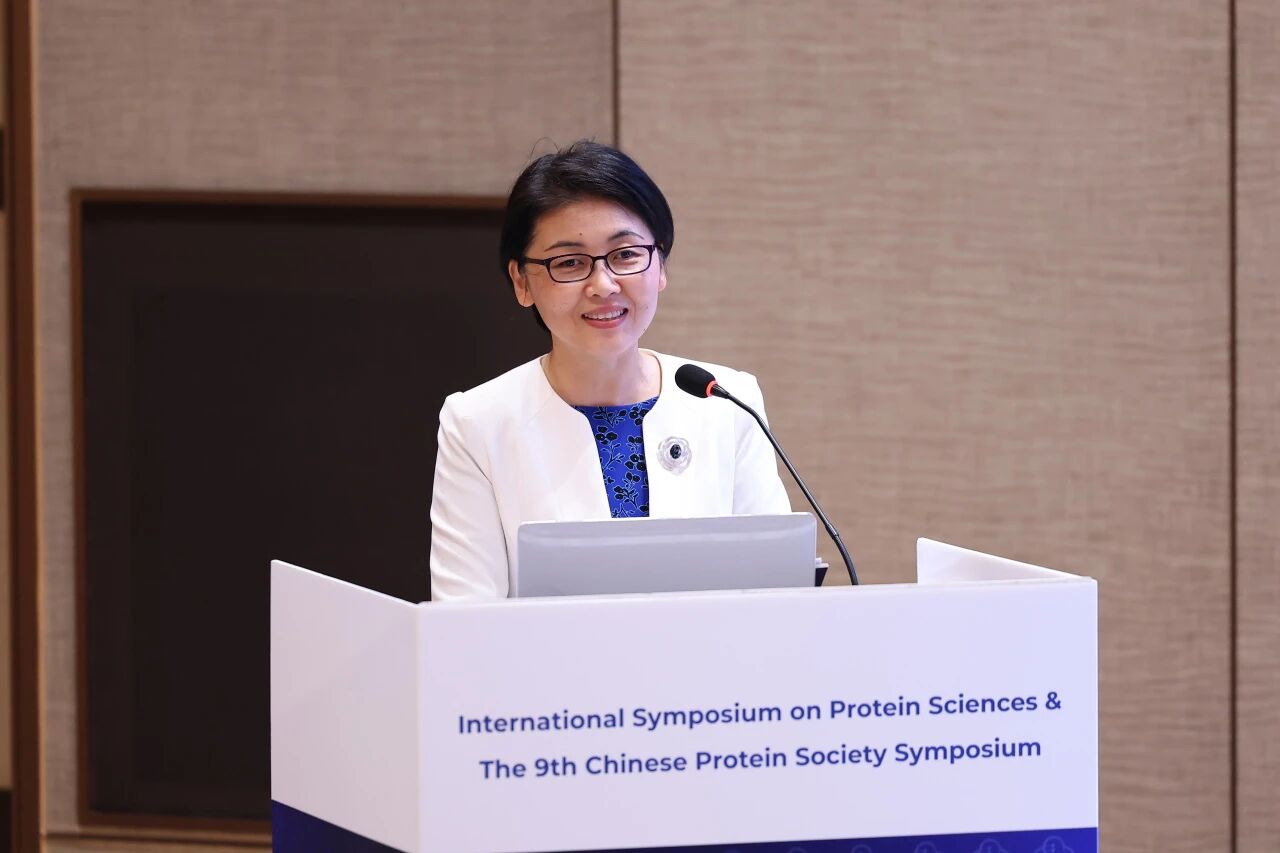
Nieng YAN
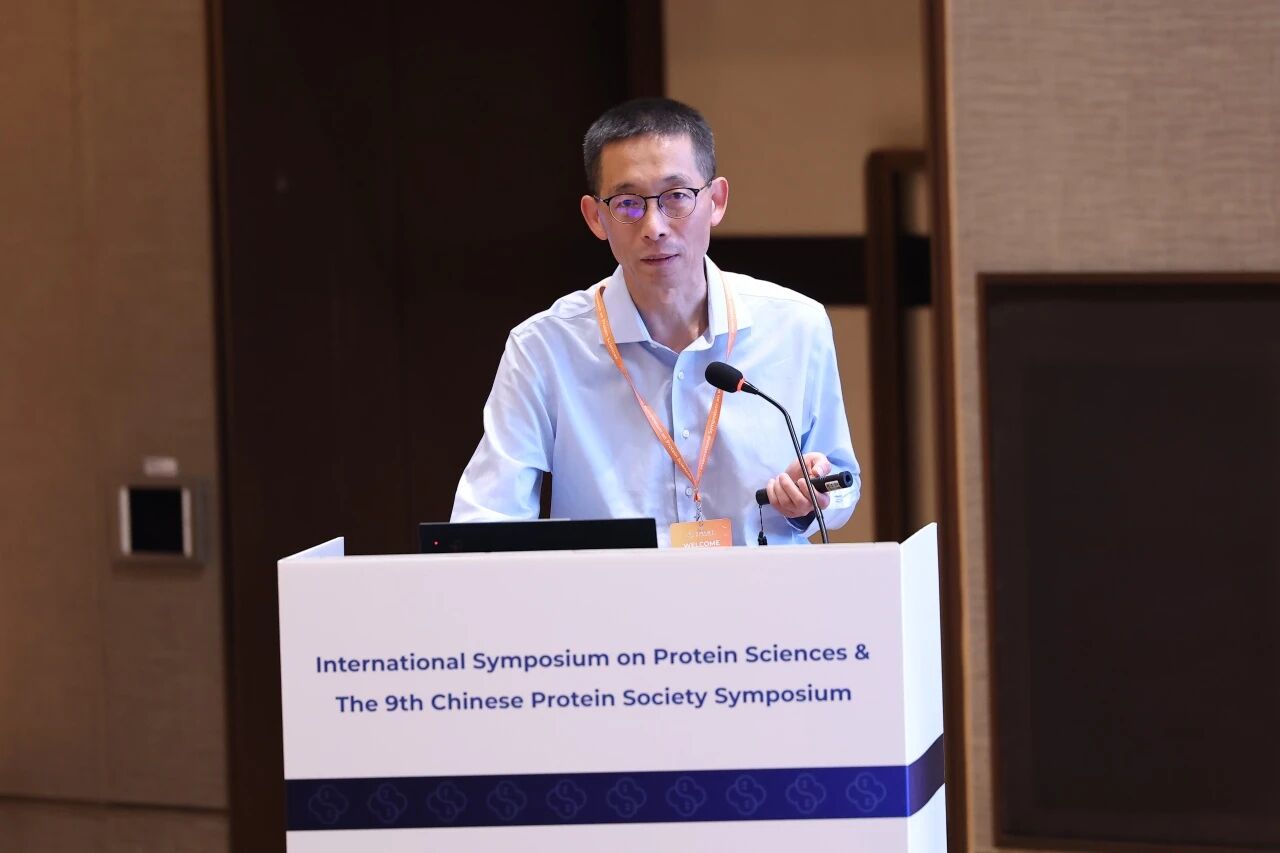
Yigong SHI
The symposium commenced with an opening address by Professor Nieng YAN (Dean, Shenzhen Medical Academy of Research and Translation & Director, Shenzhen Bay Laboratory). The presentation session then began, featuring Professor Yigong SHI (Westlake University) as the opening speaker. He detailed his team's work on the determination of endogenous spliceosome structures by cryogenic electron microscopy, revealing their dynamic assembly and catalytic mechanisms at atomic resolution, and extending these findings to studies of the minor spliceosome and the development of splicing inhibitors.
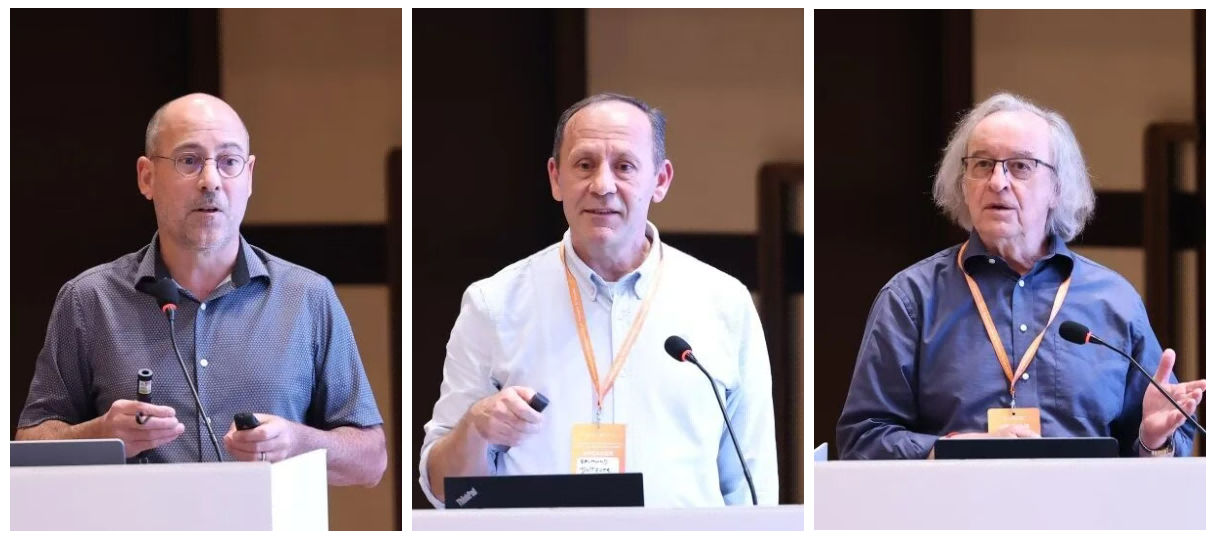
Left to right: Christopher LIMA, Raimund DUTZLER, Stephen KOWALCZYKOWSKI
Several world-renowned scholars presented their latest research. Professor Christopher LIMA (Memorial Sloan Kettering Cancer Center) elucidated the conformational transitions that enable substrate conjugation by ubiquitin and ubiquitin-like proteins, driven by the synergism of E1, E2, and E3 enzymes, with a focus on the chemical and structural characterization of key complexes in this process. Professor Raimund DUTZLER (University of Zurich, Switzerland) systematically investigated the mechanism by which the Tweety-homolog protein TTYH2, functioning as a catalytic carrier for apolipoprotein APOE, mediates lipid transfer between endosomal membranes and lipoproteins. Through integrated structural and functional analyses, his work demonstrates how TTYH2 promotes efficient intercellular lipid transport in the brain, defining a new class of membrane-lipid transporters. Professor Stephen KOWALCZYKOWSKI (University of California, Davis) described the application of single-molecule imaging and microfluidics to visualize in real time the stochastic behavior of individual protein molecules during DNA repair, replication, and remodeling. His work reveals the kinetic mechanisms underlying protein-DNA interactions and challenges the textbook model on leading- and lagging-strand synthesis coordination in bacterial DNA replication.
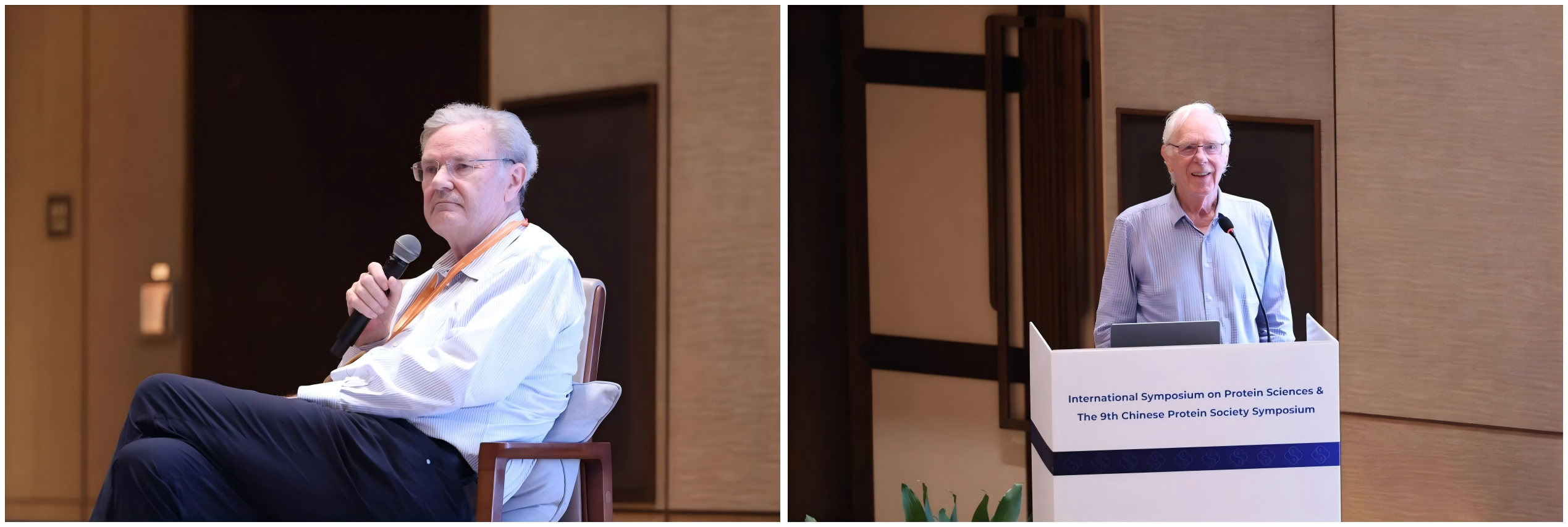
Left to right: Robert STROUD、Wolfgang BAUMEISTER
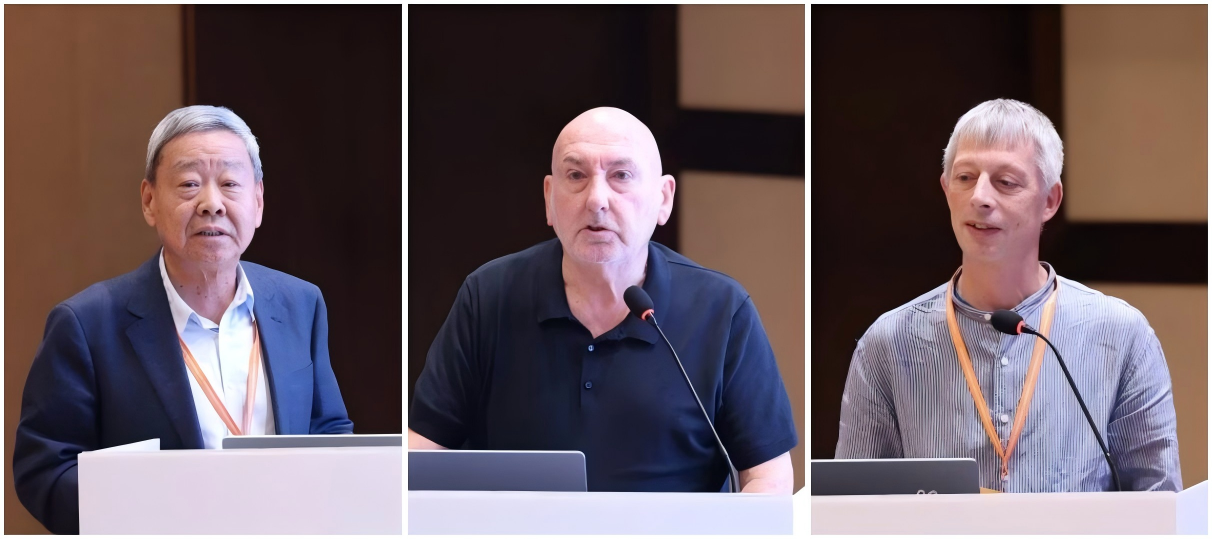
Left to right: Zihe RAO、Stephen WEST、Frank UHLMANN
The afternoon session featured a series of cutting-edge research presentations. Professor Robert STROUD (University of California, San Francisco) presented his research on the structure of the rat VGLUT2 protein, revealing the structural basis for the quantal release of neurotransmitters. Professor Wolfgang BAUMEISTER (Max Planck Institute of Biochemistry) detailed how cryogenic electron tomography (cryo-ET), with its unique advantage in high-resolution in situ three-dimension imaging under near physiological conditions, bridges structural and cellular biology. Professor Zihe RAO (Tsinghua University) outlined his team’s contributions to global health through research on pathogen threats. Professor Stephen WEST (The Francis Crick Institute) explained how his team used AlphaFold modeling and cryogenic electron microscopy to redefine RAD51 paralogs, establishing RAD51B and XRCC3 as two functionally distinct complexes. Professor Frank UHLMANN (The Francis Crick Institute) introduced SMC complexes as molecular machines that promote the discovery of chromosome structures through ATP-driven DNA topological capture mechanisms. Professor David BARFORD (MRC Laboratory of Molecular Biology, University of Cambridge) described how his team employed multidisciplinary techniques to elucidate the complete mechanism by which kinetochores recognize centromeres, connect microtubules, and drive chromosome separation.
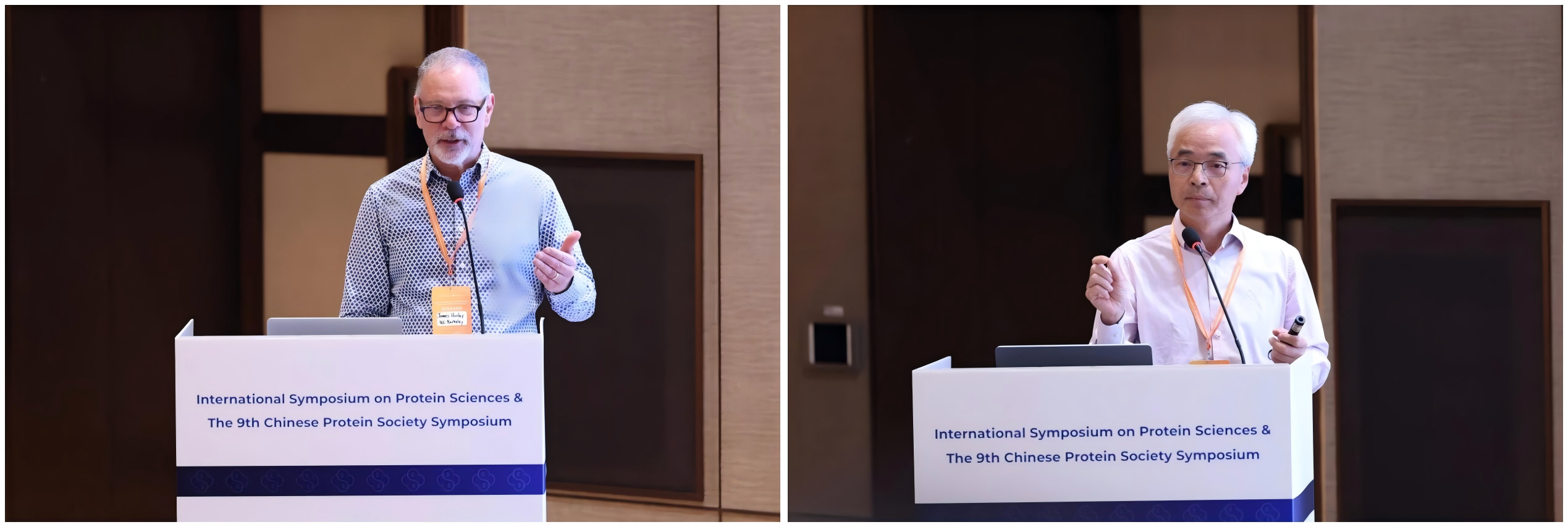
Left to right: James HURLEY、Mingjie ZHANG
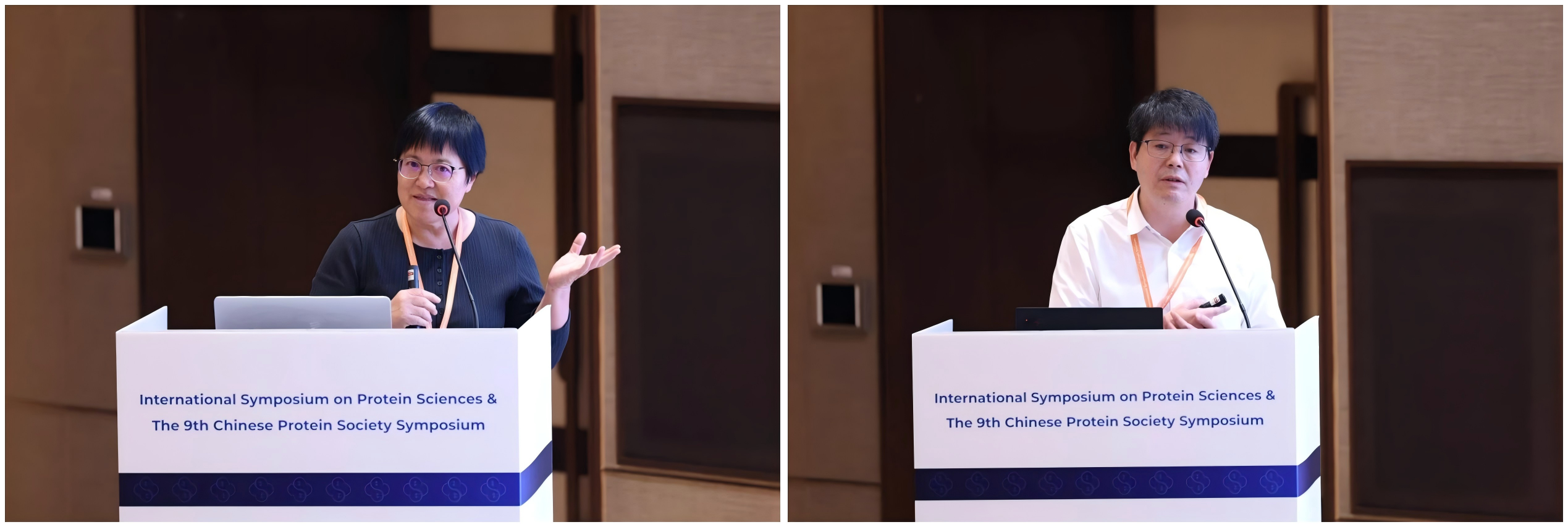
Left to right: Caixia GAO、Feng SHAO
The second day of the symposium (November 11) commenced with a series of cutting-edge research presentations. Professor James HURLEY (University of California, Berkeley) presented the multiscale structural biology of autophagy and lysosomes in nutrient and signaling regulation, highlighting the structure and activation of the ULK1-PI3KC3-C1 supercomplex and the dynamic regulation of amino acid sensing and lysosome biogenesis by complexes such as Ragulator. Professor Mingjie ZHANG (Southern University of Science and Technology) detailed the critical role of liquid-liquid phase separation in synapse formation, elucidating how this process drives the assembly of synaptic molecular clusters and regulates synaptic formation and plasticity. Professor Caixia GAO (Institute of Genetics and Developmental Biology, Chinese Academy of Sciences) described the development of an efficient, compact base editor using AlphaFold2-based structural clustering, an AI-facilitated protein engineering platform (AiCE) for high-precision editing, and novel programmable chromosome engineering systems (PCE and RePCE). Professor Feng SHAO (National Institute of Biological Sciences, Beijing) systematically explained the mechanism underlying GSDMD-mediated pyroptosis and the role of the novel innate immune receptor ALPK1 in anti-infection and anti-tumor immunity, providing to new avenues for cancer immunotherapy.
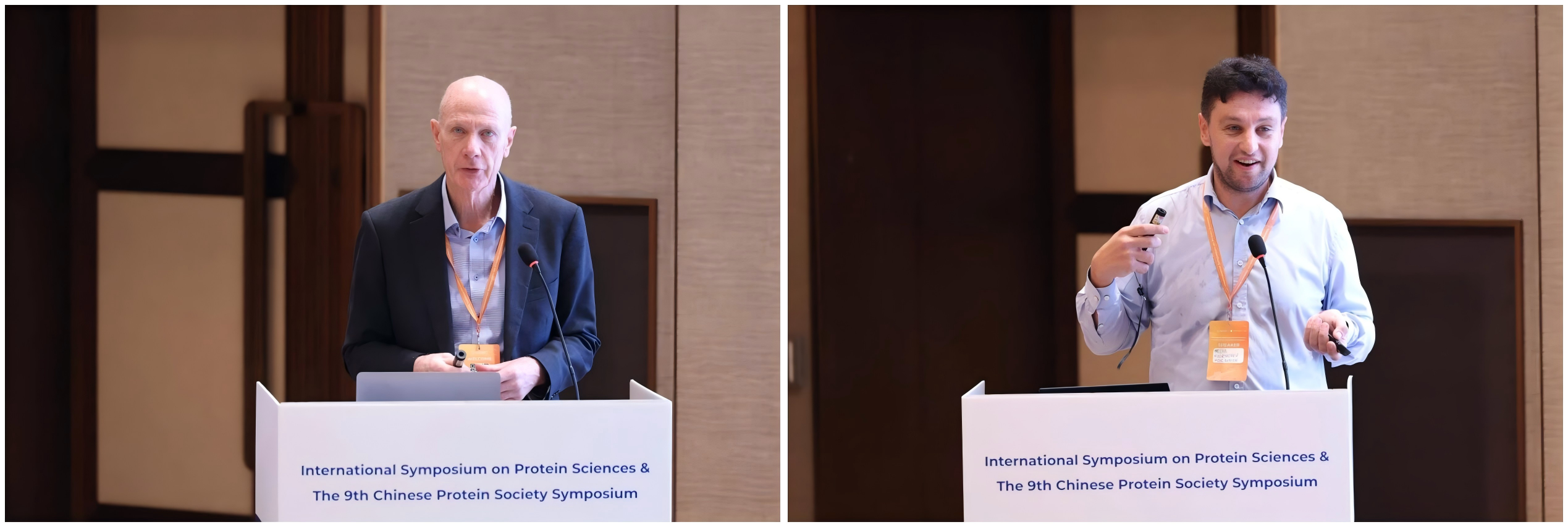
Left to right: Paul FREEMONT、Misha KUDRYASHEV
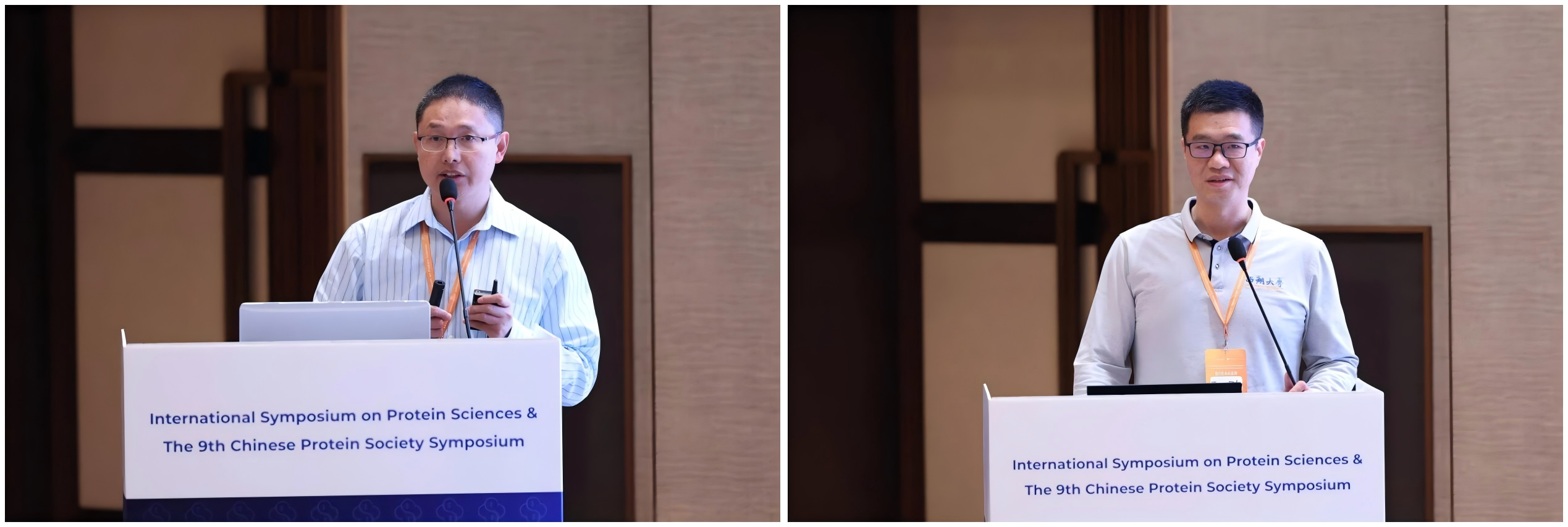
Left to right: Xiaobo LI、Ting ZHU
The symposium entered its third day on November 12, for the first time splitting into two parallel sessions (Session A and Session B), each featuring a series of cutting-edge research presentations.
In Session A, Professor Paul FREEMONT (Imperial College London) presented various cell-free expression systems from bacillus to mammalian cells. His recent work extends to engineering exosomes via cell-free techniques, opening new avenues for therapeutic strategies and target delivery. Professor Misha KUDRYASHEV (Max Delbrück Center for Molecular Medicine) introduced TomoBEAR, a cryo-ET data processing workflow designed to elucidate the mechanisms underlying membrane protein interactions within native lipid environments. Xiaobo LI (Westlake University) and his team described a strategy to expand the light-absorption spectrum of green plants by integrating the biosynthesis of special photosynthetic pigments with the design of photosynthetic supercomplexes, thereby overcoming inherent efficiency limits. Professor Ting ZHU (Westlake University) reported the chemical synthesis of mirror-image Pfu and T7 RNA polymerases, enabling kilobase-scale assembly of mirror genes and transcription of mirror rRNA, a key step toward building a mirror biology system and novel biotechnological tools.
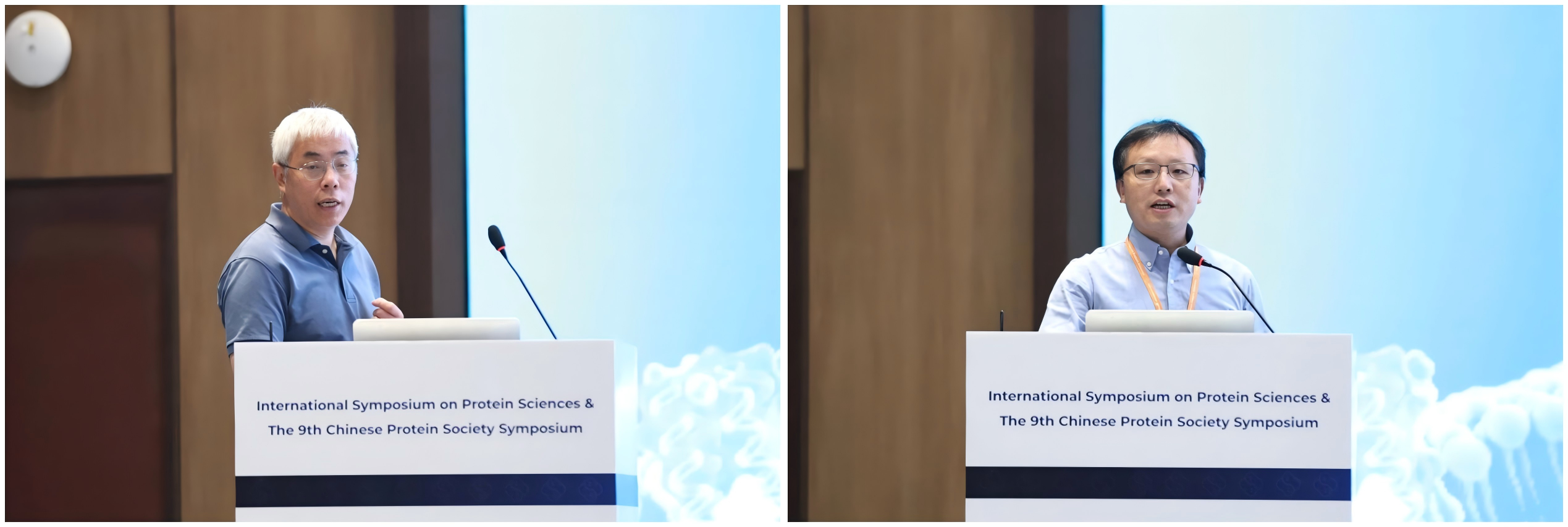
Left to right: Haiyan LIU、Bian WU
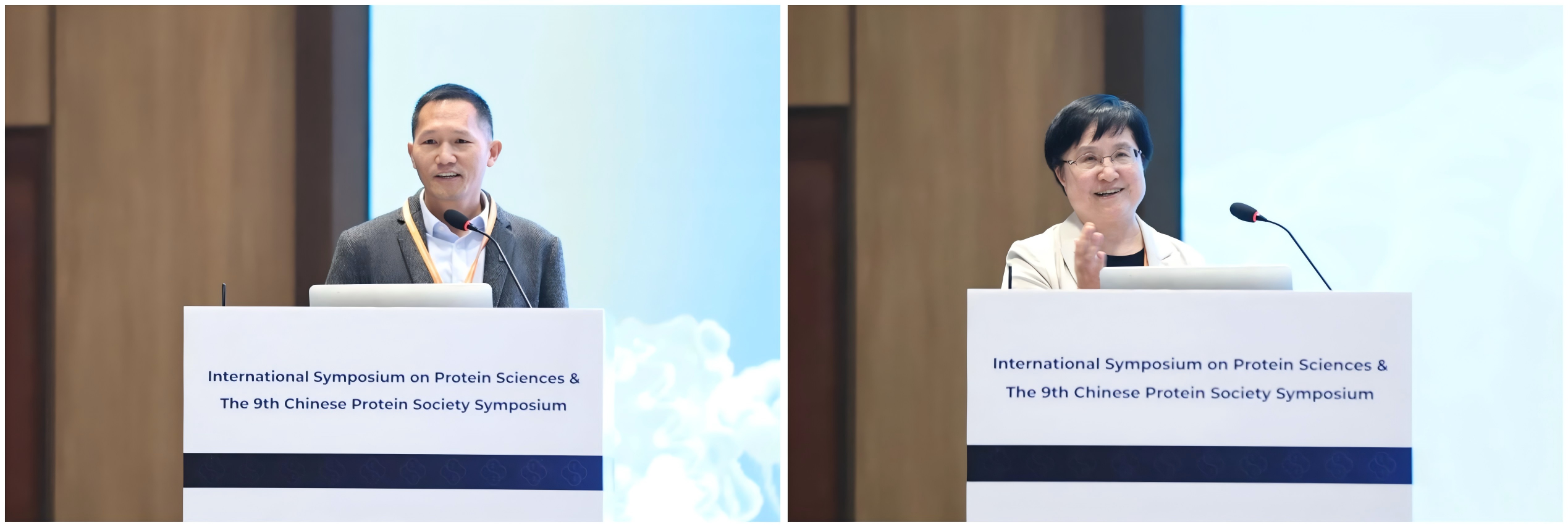
Left to right: Jianyi YANG、Luhua LAI
In parallel Session B, a series of reports were presented. Professor Haiyan LIU (University of Science and Technology of China) discussed advances in deep learning-based protein design, including the methods for all-atom protein backbone and sequence generation developed by his lab. Professor Bian WU (Beijing University of Chemical Technology) shared recent achievements and insights in computationally design and optimization of the enzyme activity. Professor Jianyi YANG (Shandong University) introduced AI-facilitated methods for modeling protein and nucleic acid structures, highlighting a novel software developed by his lab that significantly accelerates model building from cryogenic electron microscopy maps. Professor Luhua LAI (Peking University) presented work on protein allosteric sites and described a sequence design approach leveraging protein language models.
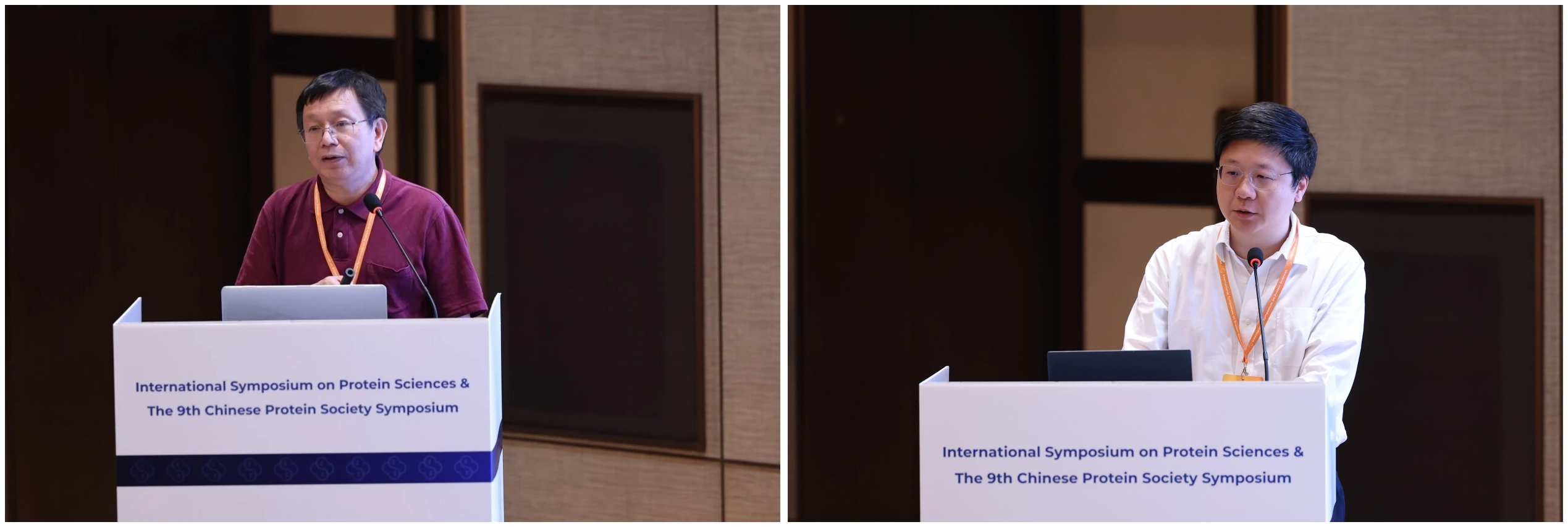
Left to right: H. Eric XU、Boxun LU
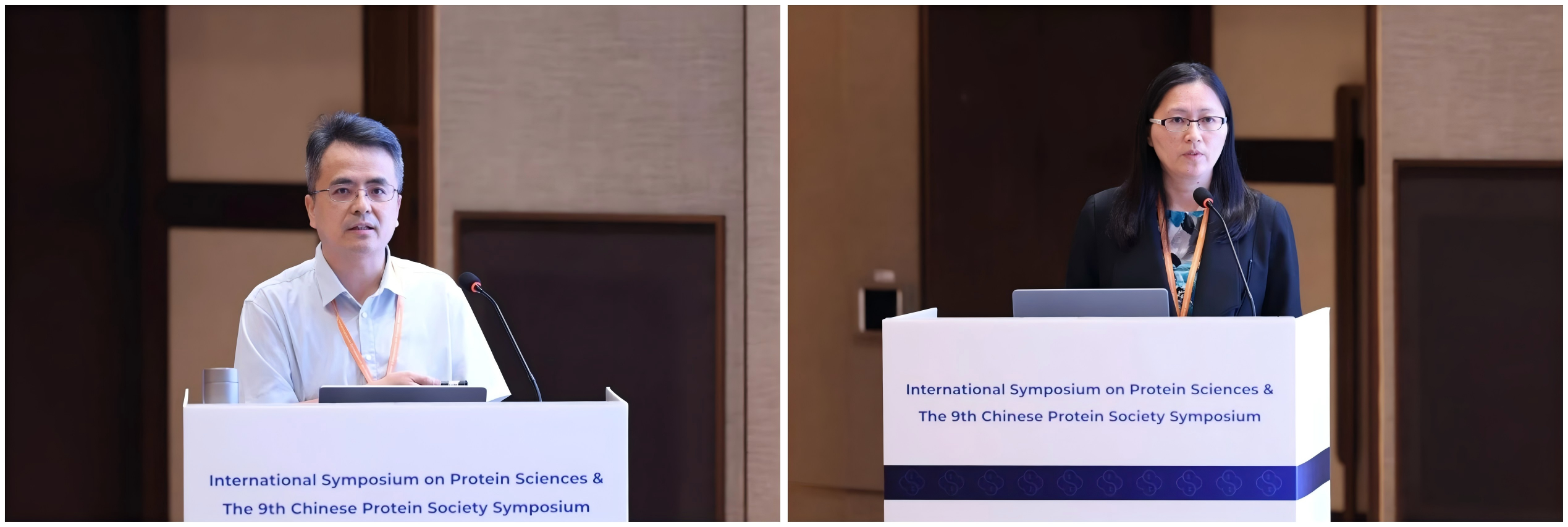
Left to right: Xinquan WANG、Ying CHEN
On the afternoon of November 12, both parallel sessions proceeded with a series of focused presentations. In Session A, Professor H. Eric XU (Shanghai Institute of Materia Medica, Chinese Academy of Sciences) presented a first-principles-based drug design strategy to develop the short half-life FXR agonist CS0159, which synchronizes with the physiological metabolic cycle. It has demonstrated high efficacy and safety in treating metabolic diseases, obesity, and related liver diseases. Professor Boxun LU (Fudan University) proposed the existence of a critical pathogenic threshold for short tandem repeat expansion, revealing that the underlying mechanism extends far beyond protein aggregation. His research reveals the molecular regulation of this threshold. Professor Xinquan WANG (Tsinghua University) reported that efficient coronavirus invasion is determined by two key factors: high-efficiency receptor binding and an effective transition from the "closed" to the "open" conformation of the spike protein. His work elucidates how mutations at critical sites modulate conformational states to alter viral pathogenicity. Dr Ying CHEN (Senior Scientific Editor of the Journal Vita, Higher Education Press) outlined the journal's mission and its manuscript handling workflow, including research from fundamental mechanisms to clinical investigations.
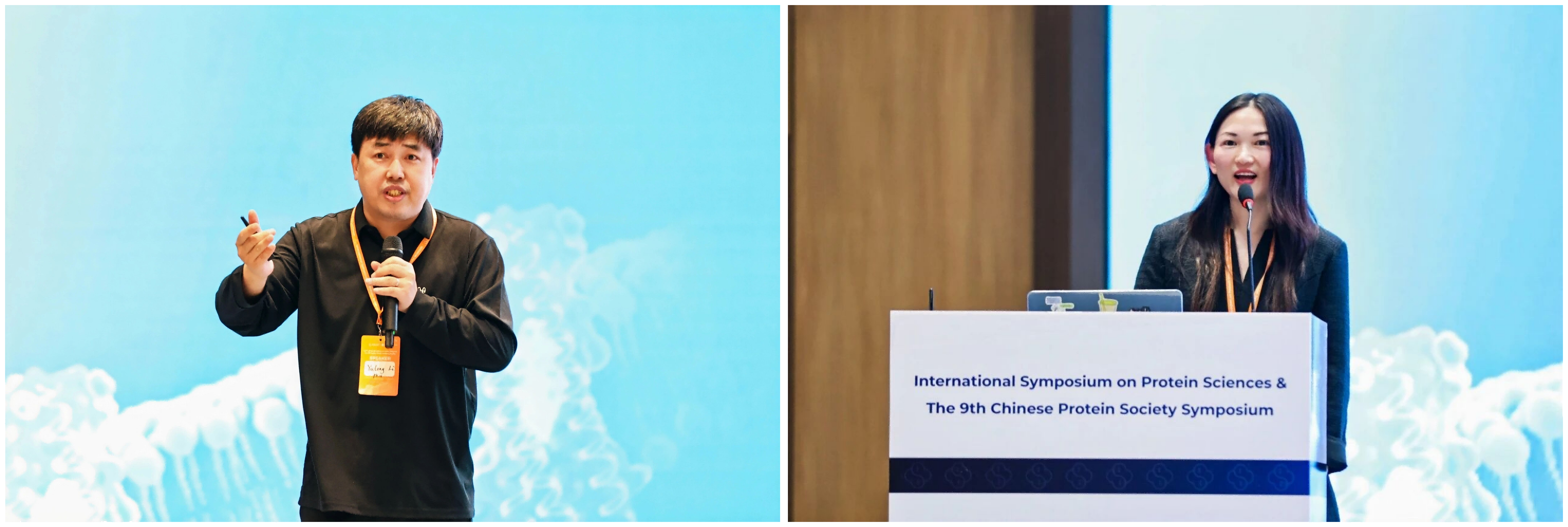
Left to right: Yulong LI、Lingyan SHI
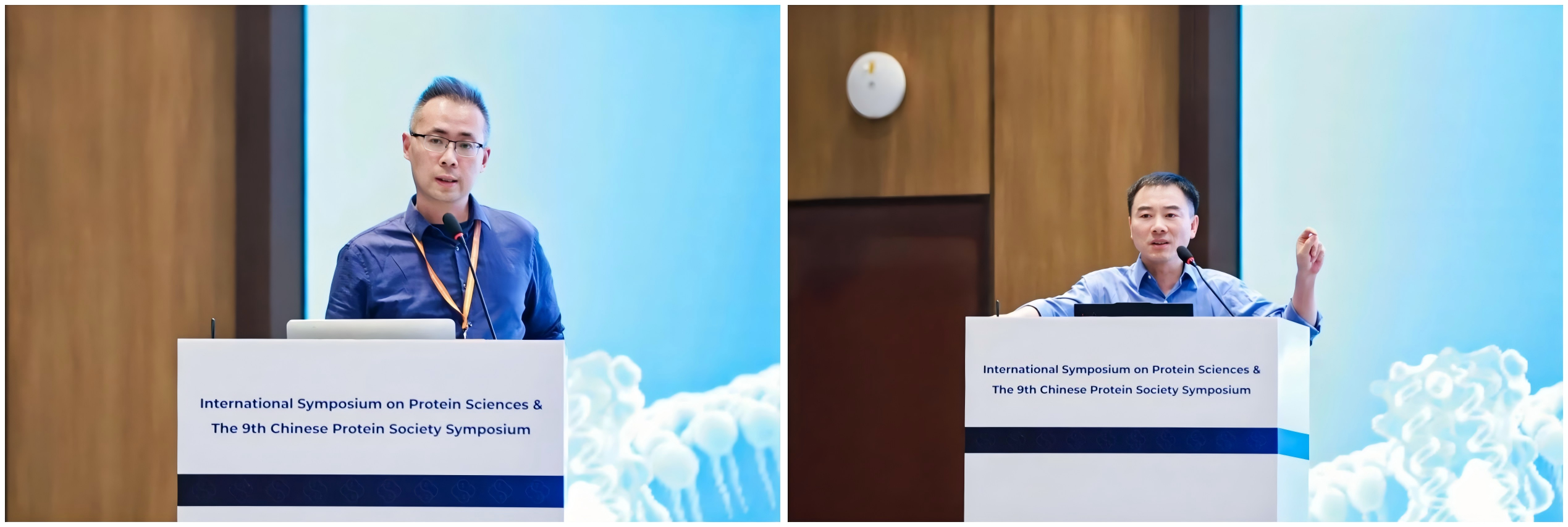
Left to right: Yuhui JIANG、Zhiwei HUANG
The Session B also featured a series of cutting-edge research presentations. Professor Yulong LI (Peking University) introduced the development and optimization of multicolor GRAB fluorescent sensors, enabling synchronous, high-resolution imaging of multiple neuromodulators in the living brain, providing a powerful tool for analyzing the relationship between neurochemical networks and behavior. Professor Lingyan SHI (University of California, San Diego) demonstrated a multimodal label-free nano-imaging platform integrated with SUMMIT-SRS technology, which allows metabolic imaging at subcellular scale. Her work reveals the characteristics of metabolic reprogramming across disease states and in longevity-extending processes. Professor Yuhui JIANG (East China University of Science and Technology) combined subcellularly localized metabolic enzymes with live-cell fluorescent probes to tract real-time fluctuations of metabolites (e.g., fumarate, NAD+/NADH) in nuclear micro-domains, thereby elucidating the metabolic-epigenetic coupling mechanisms underlying DNA damage repair and nutrient stress. Professor Zhiwei HUANG (Harbin Institute of Technology) determined the structures of human αβTCR–CD3 in both cholesterol latch-up” resting state and activated state. He proposed an “inside-out” stabilization model induced by BTN/BTNL ligands, providing an important structural basis for understanding TCR activation in αβ and γδ T cells and for developing TCR–CD3 targeted immunotherapies.
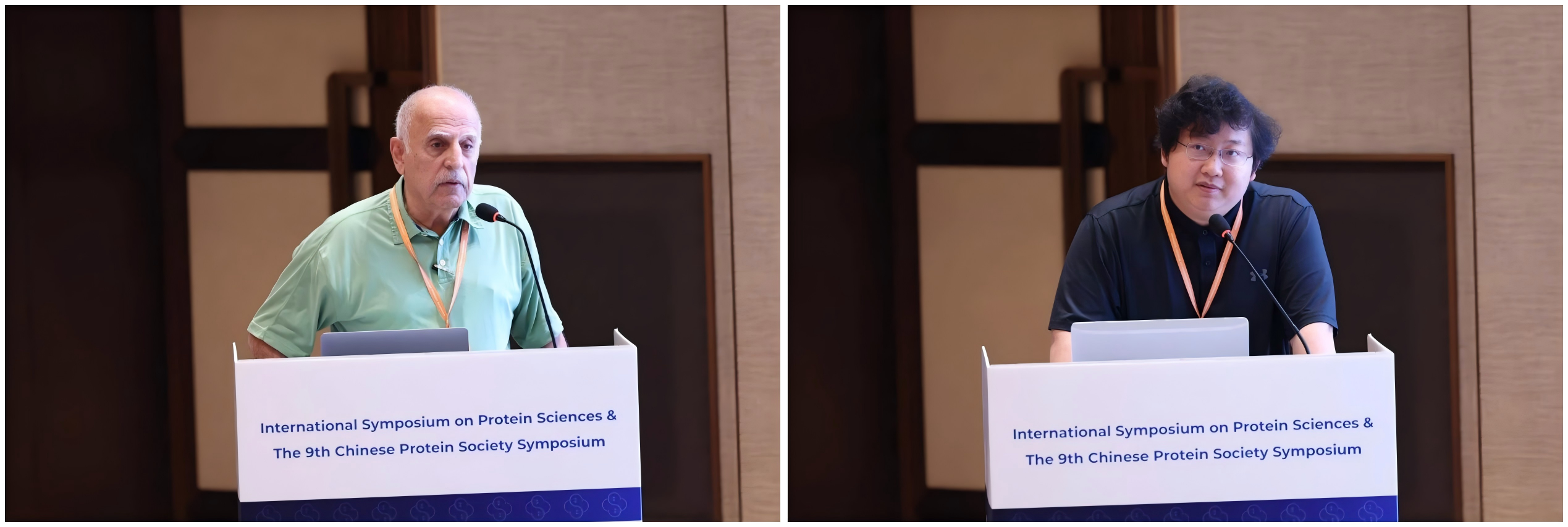
Left to right: Dinshaw PATEL、Yunlong CAO
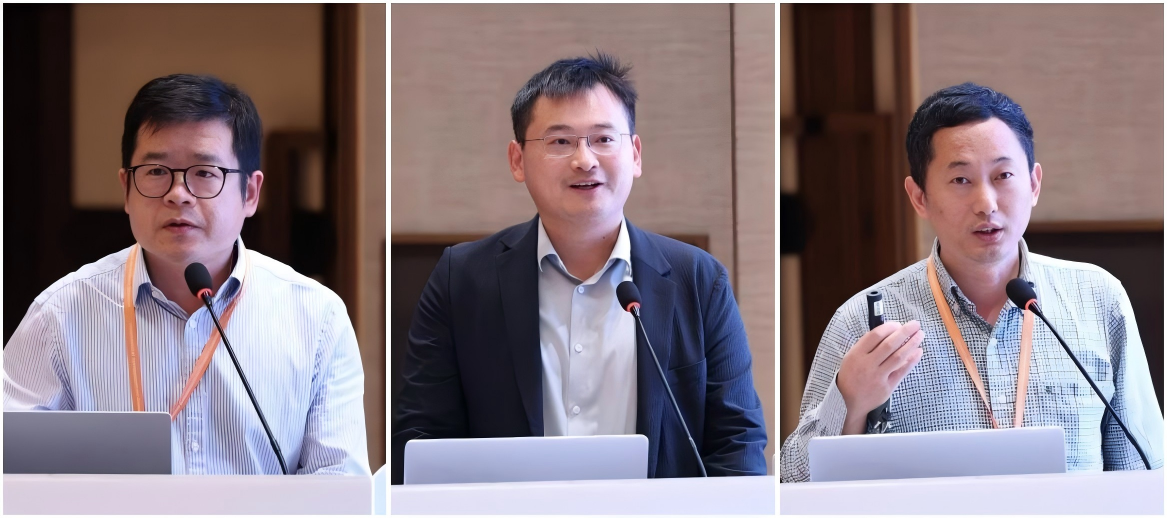
Left to right: Sai LI、Zhibo LIU、Ye XIANG
The symposium entered its fourth day on November 13, with parallel sessions continuing their in-depth exchange of cutting-edge research presentations. In Session A, Professor Dinshaw PATEL (Memorial Sloan Kettering Cancer Center) presented structural and functional insights into how bacterial CRISPR and Goddess systems mediate anti-phage defense. Professor Yunlong CAO (Peking University) described high-throughput deep mutational scanning of antibodies to map epitopes, as well as AI-facilitated modeling of antibody sequence evolution. Professor Sai LI (Tsinghua University) reported a Cryo-ET study revealing the molecular mechanisms underlying IgG antibody interactions with authentic SARS-CoV-2 virus. Professor Zhibo LIU (Peking University) discussed the application of diverse chemical methods to improve radiopharmaceuticals in cancer therapy. Professor Ye XIANG (Tsinghua University) modified the structure of norovirus VP1 protein, offering a novel insight into vaccine development.
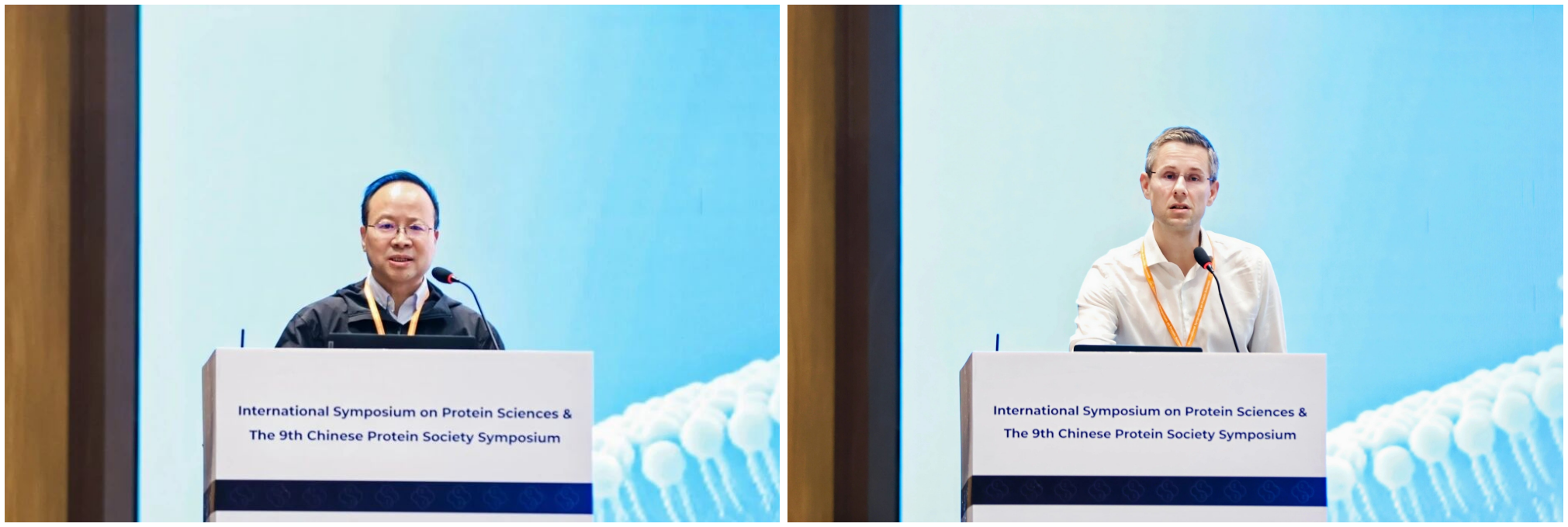
Left to right: Wenqing XU、Florian SCHUR
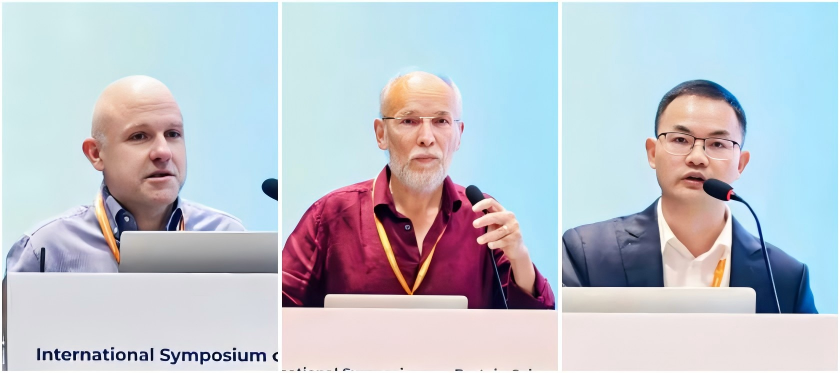
Left to right: Luca JOVINE、Moosa MOHAMMADI、Yilong ZOU
In Session B, Professor Wenqing XU (ShanghaiTech University) presented a strategy that combines fine-tuning of Wnt/β-catenin to promote tissue regeneration with AI-facilitated protein design to stabilize TDP-43 and block its pathological aggregation, offering new strategies for regenerative medicine and neurodegenerative disease therapy. Professor Florian SCHUR (Institute of Science and Technology Austria, ISTA) used cryogenic electron tomography to reconstruct the three-dimensional structure of the actin cytoskeleton and its regulators at the leading edge of migrating cells, generating a molecular map of the "cell motility machine" and revealing how cells generate and regulate migration at the structural level. Professor Luca JOVINE (Karolinska Institute, Sweden) analyzed egg coat protein structures from abalone VERL–lysin to the mammalian ZP2 system, elucidating the mechanisms of sperm recognition and species-specific fertilization. His work identifies ZP2 cleavage-driven compaction of the egg coat as a critical "slow-block" step that prevents polyspermy. Professor Moosa MOHAMMADI (Oujiang Laboratory) determined the structure of FGF–FGFR–Klotho–HS quaternary complex and proposed an "asymmetrical dimerization/threshold model" that distinguishes paracrine from endocrine FGF signaling, providing a structural blueprint for designing FGF-targeted therapies for metabolic diseases. Yilong ZOU (Principal Investigator, Westlake University) introduced iPEX-mass spectrometry coupling technology, which enables unbiased quantification of thousands of proteins in tissues at 1–5 μm resolution. Applying this approach to an Alzheimer's disease mouse model, his team captured the first spatial map of early mitochondrial disruption and impaired long-chain polyunsaturated fatty acid synthesis due to down-regulation of ACAA1.
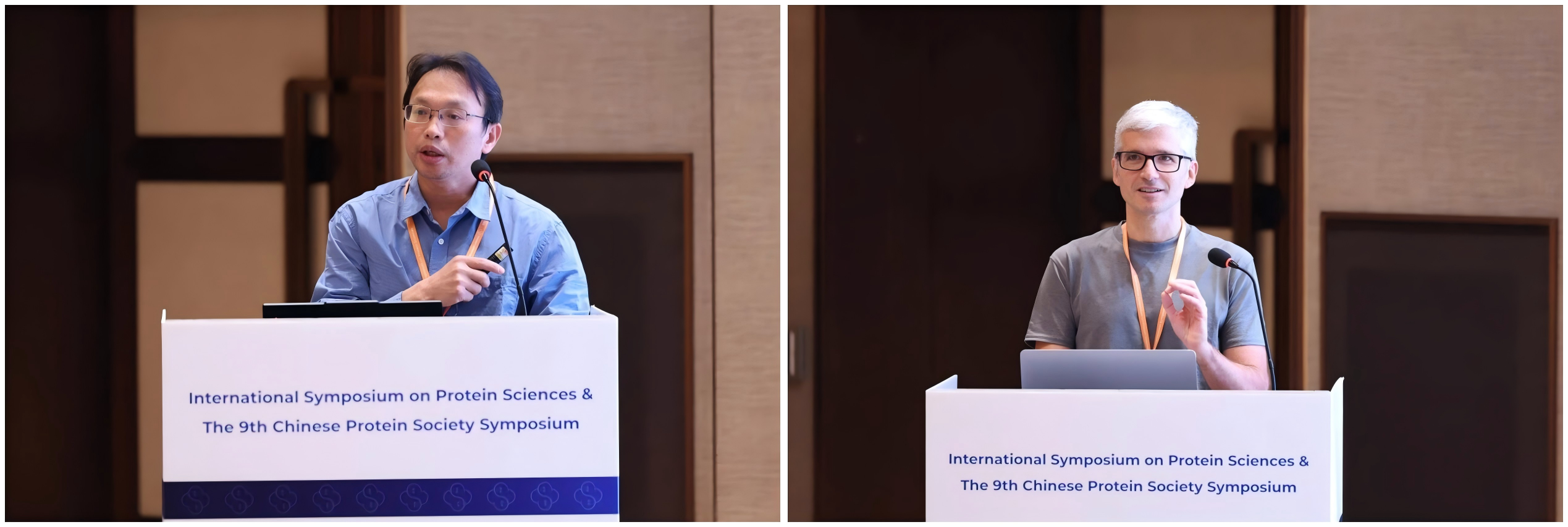
Left to right: Zhucheng CHEN、Alessandro COSTA
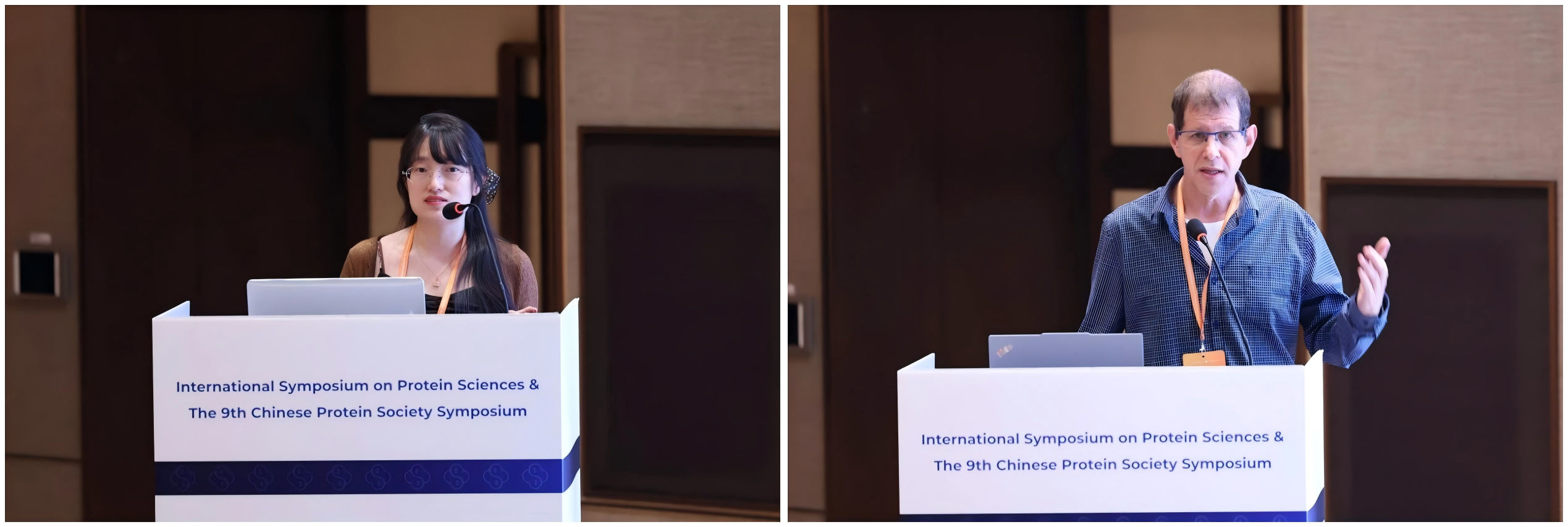
Left to right: Zhen YAN、Ohad MEDALIA
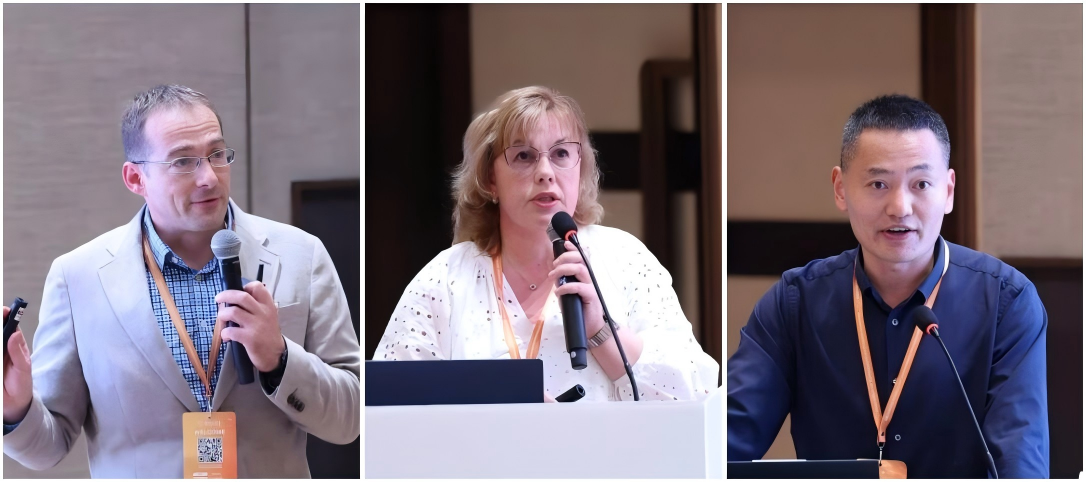
Left to right: Alexey AMUNTS、Ekaterina LYUKMANOVA、Wenqi LI
On the afternoon of November 13, both sessions continued their in-depth scientific exchange. In Session A, Professor Zhucheng CHEN (Tsinghua University) captured nine remodeling transient structures by cryo-EM, revealing the complete chromatin remodeling process driven by ATP hydrolysis and the underlying DNA translocation mechanisms. Professor Alessandro COSTA (The Francis Crick Institute) presented a stepwise, atomic-resolution characterization of chromosome replication initiation, integrating biochemical reconstitution with cryo-EM to elucidate the activation of the double-hexamer helicase and the mechanisms of duplex unwinding and single-strand extrusion. Professor Zhen YAN (Westlake University) systematically resolved the composition, assembly, and kinetics of the chloroplast protein import complex using the cryo-EM system, revealing the molecular basis and evolutionary diversity of chloroplast protein import. Professor Ohad MEDALIA (University of Zurich) employed the cryo-FIB, cryo-ET, and cryo-EM to investigate the specific interactions between the nuclear lamina and chromatin, revealing the mechanisms of lamin A tail binding nucleosomes and its influences on chromatin organization and gene expression. Professor Alexey AMUNTS (Max Planck Institute of Molecular Physiology & University of Münster) determined the structural plasticity of the photosystem I supercomplex in three marine organisms, identifying novel light-harvesting antennas, photoprotective mechanisms, and adaptive strategies of energy transfer. Professor Ekaterina LYUKMANOVA (Shenzhen MSU-BIT University) revealed a 2.9 Å cryo-EM structure of the American cockroach Nav channel, as well as molecular simulations that demonstrated its dimerization mechanism and interactions between transmembrane and cytoplasmic regions. Dr. Wenqi LI (Tsinghua University) introduced analytical ultracentrifugation (AUC) and highlighted its recent applications in protein sciences, including the analysis of protein aggregation states, detergent content in membrane protein samples, and carbohydrate composition of glycoproteins.
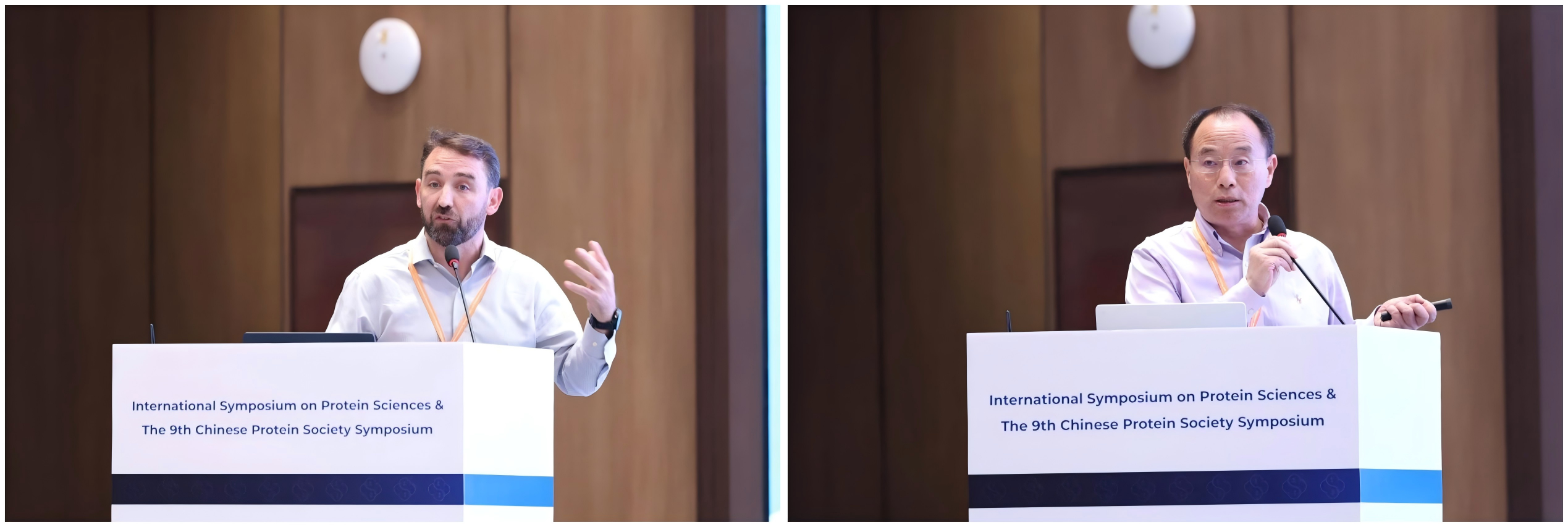
Left to right: David RUEDA、Ming-Han TONG
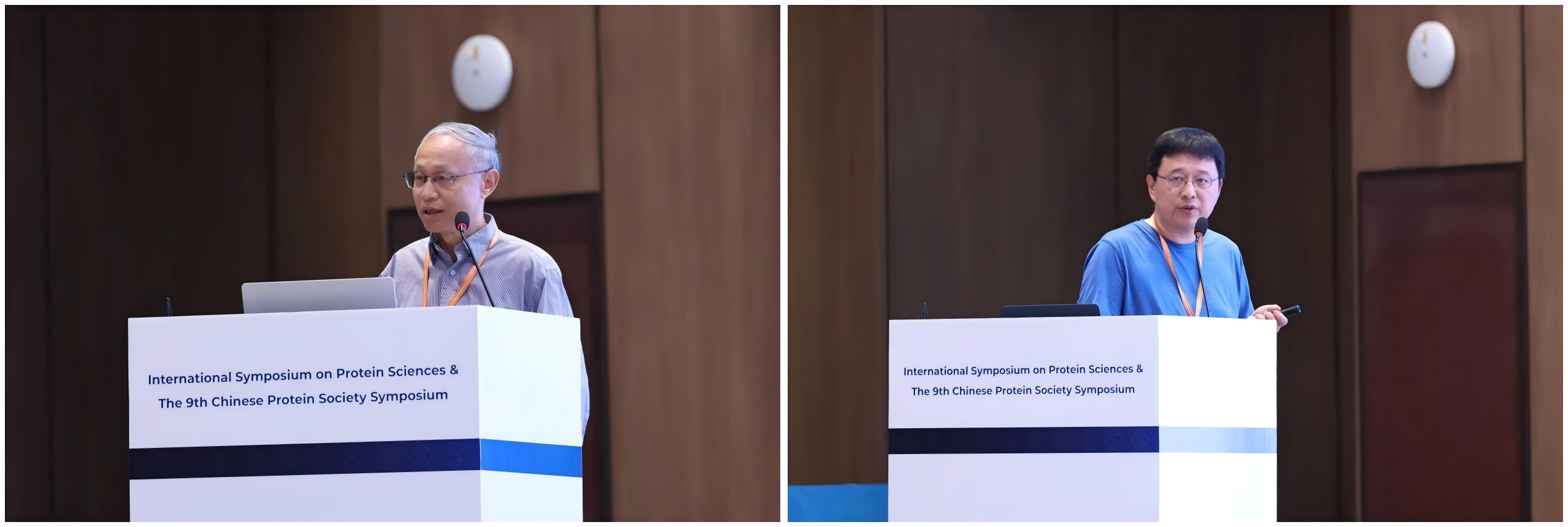
Left to right: Yaoqi ZHOU、Dong WANG
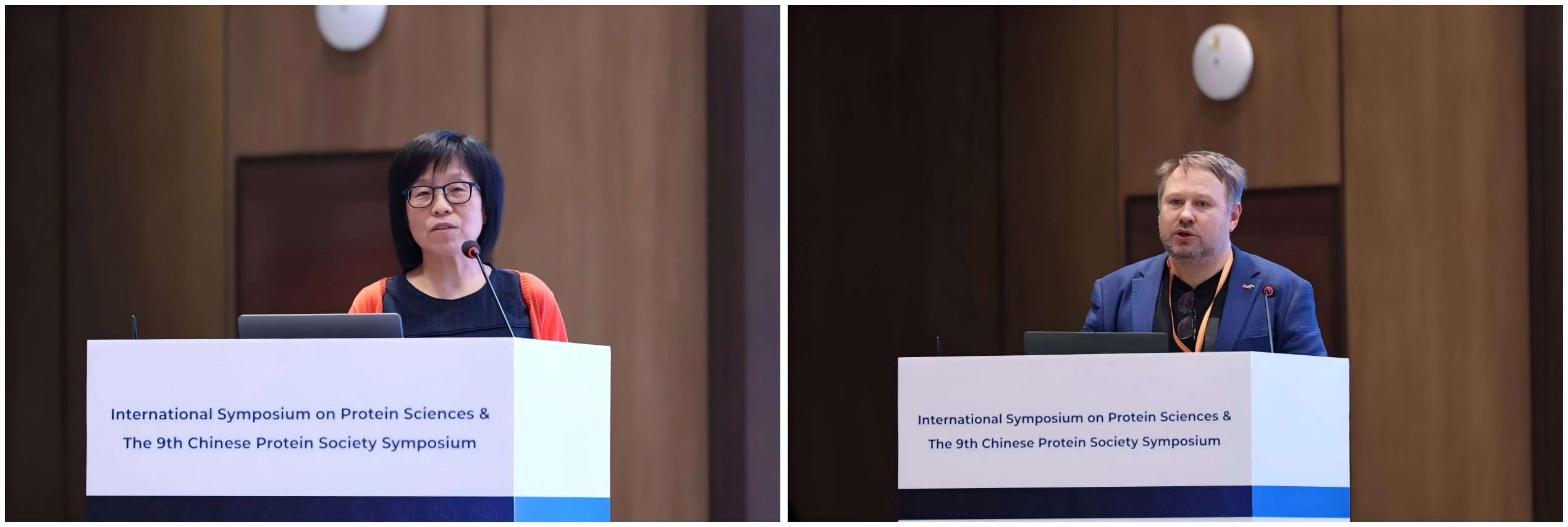
Left to right: Xiaolan ZHAO、Zakhar SHENKAREV
The Session B featured another series of cutting-edge research presentations. Professor David RUEDA (Imperial College London) demonstrated how DNA negative supercoiling increases Cas9 off-target activity and elucidated the underlying molecular mechanism through structural analysis, offering new insights for designing higher-fidelity CRISPR tools. Professor Ming-Han TONG (Center for Excellence in Molecular Cell Science, Chinese Academy of Sciences) employed multi-omics approaches to elucidate the complete process of spermatogenesis, revealing synchronized remodeling before and after meiosis initiation and completion, though the search for "switch" molecule that triggers meiosis remains ongoing. Professor Yaoqi ZHOU (Shenzhen Bay Laboratory) presented an experiment that generates "artificial homologous sequences" to supplement the information required by AlphaFold prediction, enabling high-accuracy structural models for nearly all proteins. Professor Dong WANG (University of California, San Diego) revealed how cells recognize and repair transcription-blocking DNA damage, advancing the mechanism understanding of transcription-coupled repair in eukaryotes. Professor Xiaolan ZHAO (Memorial Sloan Kettering Cancer Center) showed that the Smc5/6 complex preferentially binds ss-dsDNA junctions commonly observed in replication and repair, providing a unified molecular mechanism for its multifaceted roles in genome replication, repair, and stability. Professor Zakhar SHENKAREV (Institute of Bioorganic Chemistry, Russian Academy of Sciences) presented the structures of TRPA1 and spider toxin ProTx-I, revealing that the toxin acts like an "anchor" that locks the S1–S4 domains to prevent channel opening, suggesting a novel mechanism for analgesic development.
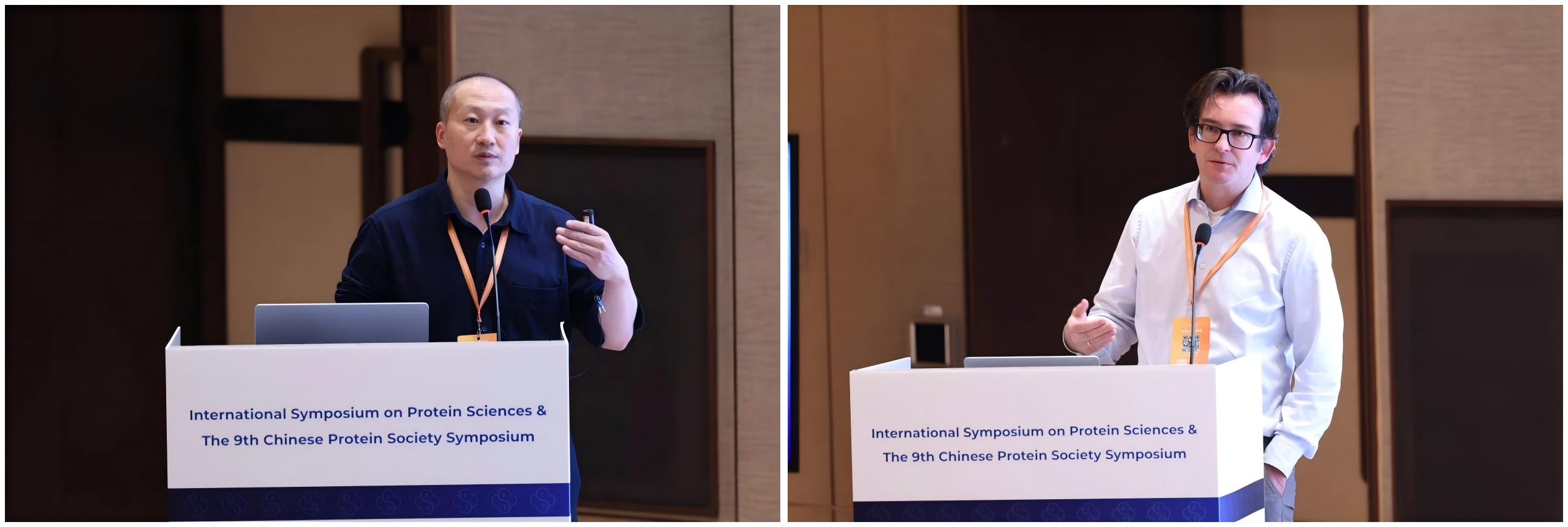
Left to right: Yanhui XU、Friedrich FöRSTER
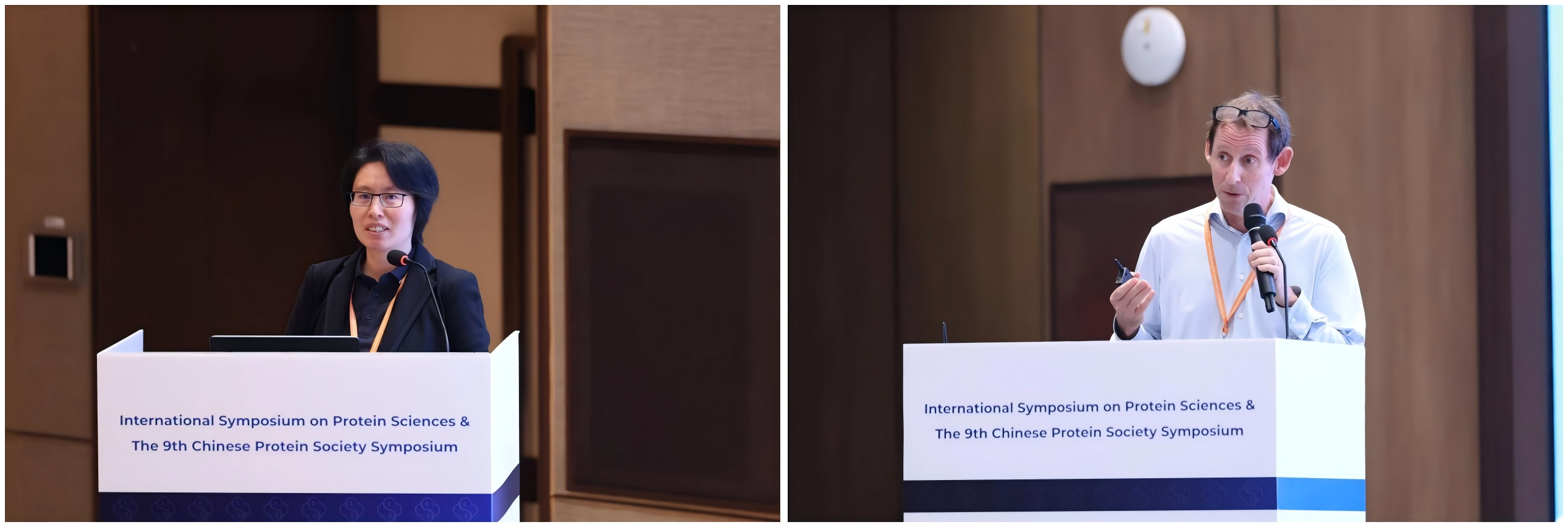
Left to right: Meijing LI、David DREW
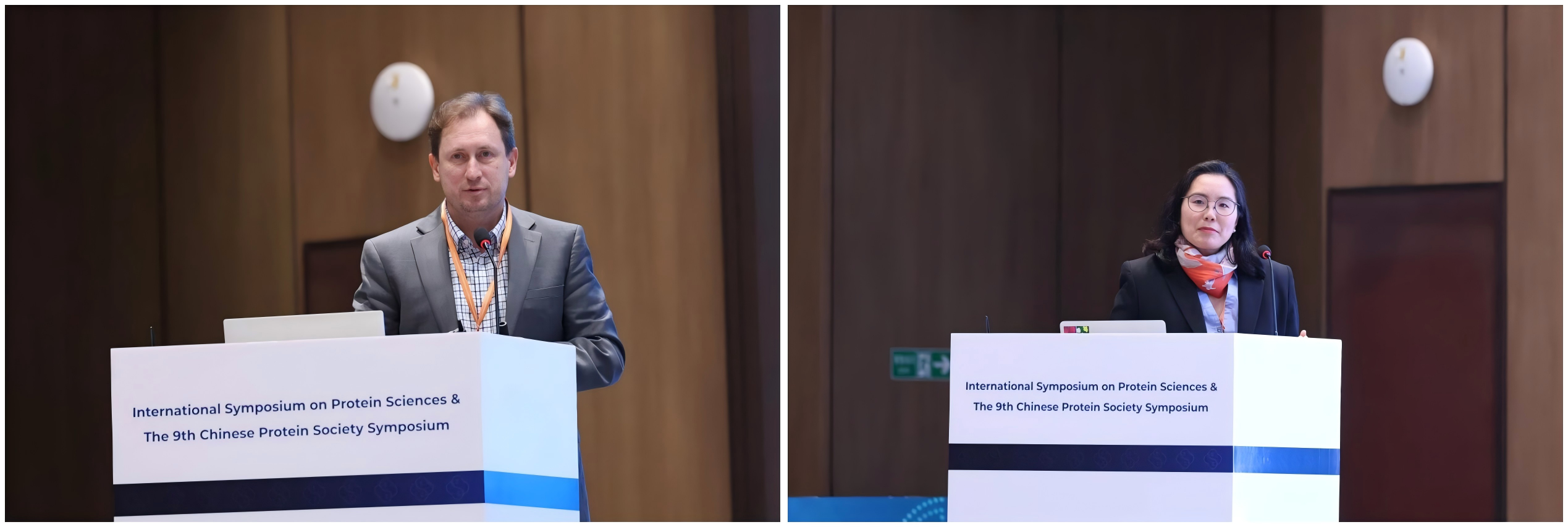
Left to right: Alexander SOBOLEVSKY、Jean-Ju CHUNG
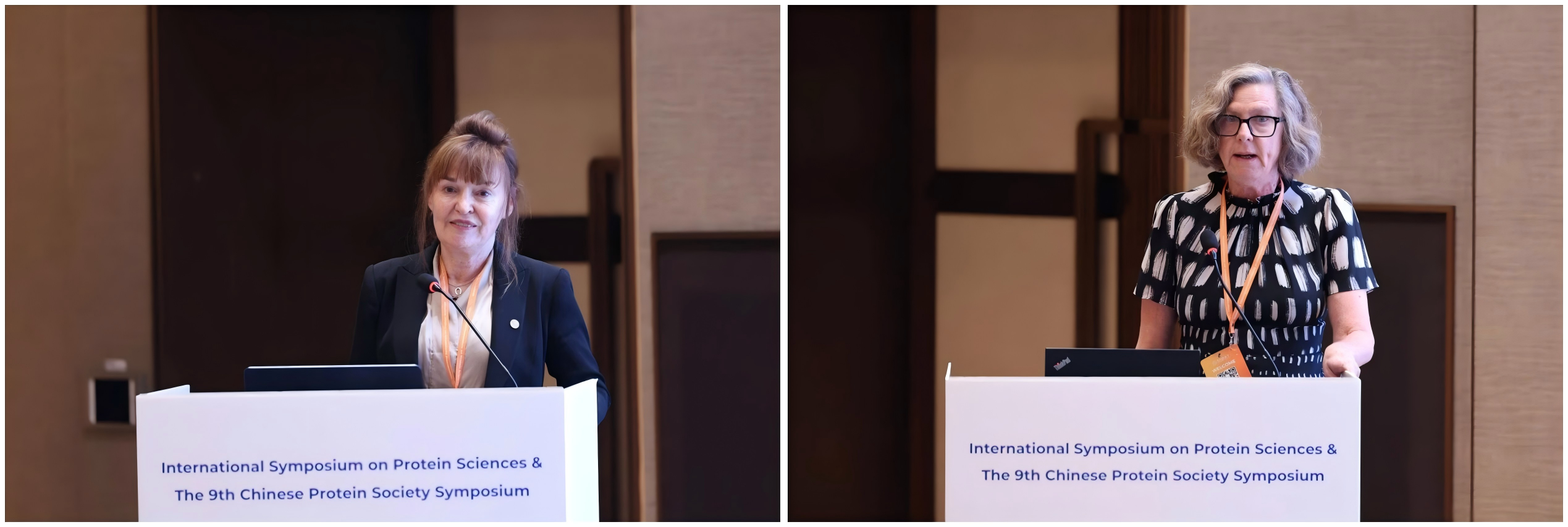
Left to right: Carol ROBINSON、Valda VINSON
The five-day symposium reached its final day on November 14. At the plenary session on that day, several scholars delivered significant reports.
Yanhui XU (Researcher, Fudan University) reconstituted the transcription initiation supramolecular complex in vitro, systematically revealing how the PIC–Mediator assembles and cooperates on chromatin, providing a novel structural framework for understanding eukaryotic transcription initiation. Professor Friedrich FöRSTER (Utrecht University) employed multiscale in situ cryogenic electron microscopy to clarify the complete protein biosynthesis pathway, revealing with high resolution the dynamic mechanisms of translation, transport, and modification, along with their regulatory responses under cellular stress.
Meijing LI (Researcher, Shenzhen Medical Academy of Research and Translation) established an optimized tissue-level serial-lift-out cryogenic electron microscopy workflow, enabling in situ three-dimensional analysis of cochlear hair cell nanostructures and providing a new structural perspective on hearing mechanisms. Professor David DREW (Stockholm University) elucidated the molecular mechanism of SLC35B1 as an endoplasmic reticulum ATP/ADP exchanger and constructed a novel transport model for the SLC family using seven cryogenic electron microscopy structures. Professor Alexander SOBOLEVSKY (Columbia University) analyzed the transition from the “closed” to the “open” conformation of the kainite receptor and its regulatory mechanisms, laying a structural foundation for developing drugs targeting ionotropic glutamate receptors for neurological disorders. Professor Jean-Ju CHUNG (Yale University) combined genetics and structural prediction to determine critical interaction interfaces of the CatSper, proposing an engineered strategy to modulate sperm signaling, a potential advance for reproductive medicine. Professor Carol ROBINSON (University of Oxford) presented recent advances in mass spectrometry that enable characterization of membrane protein receptor complexes and their signaling under near-native conditions, expanding the frontiers of mass spectrometry based structural biology. Ms. Valda VINSON (Executive Editor of Science) emphasized the imperative to uphold scientific integrity and reproducibility while accelerating the high-quality and efficient dissemination of research in an era of rapidly evolving publishing landscape.
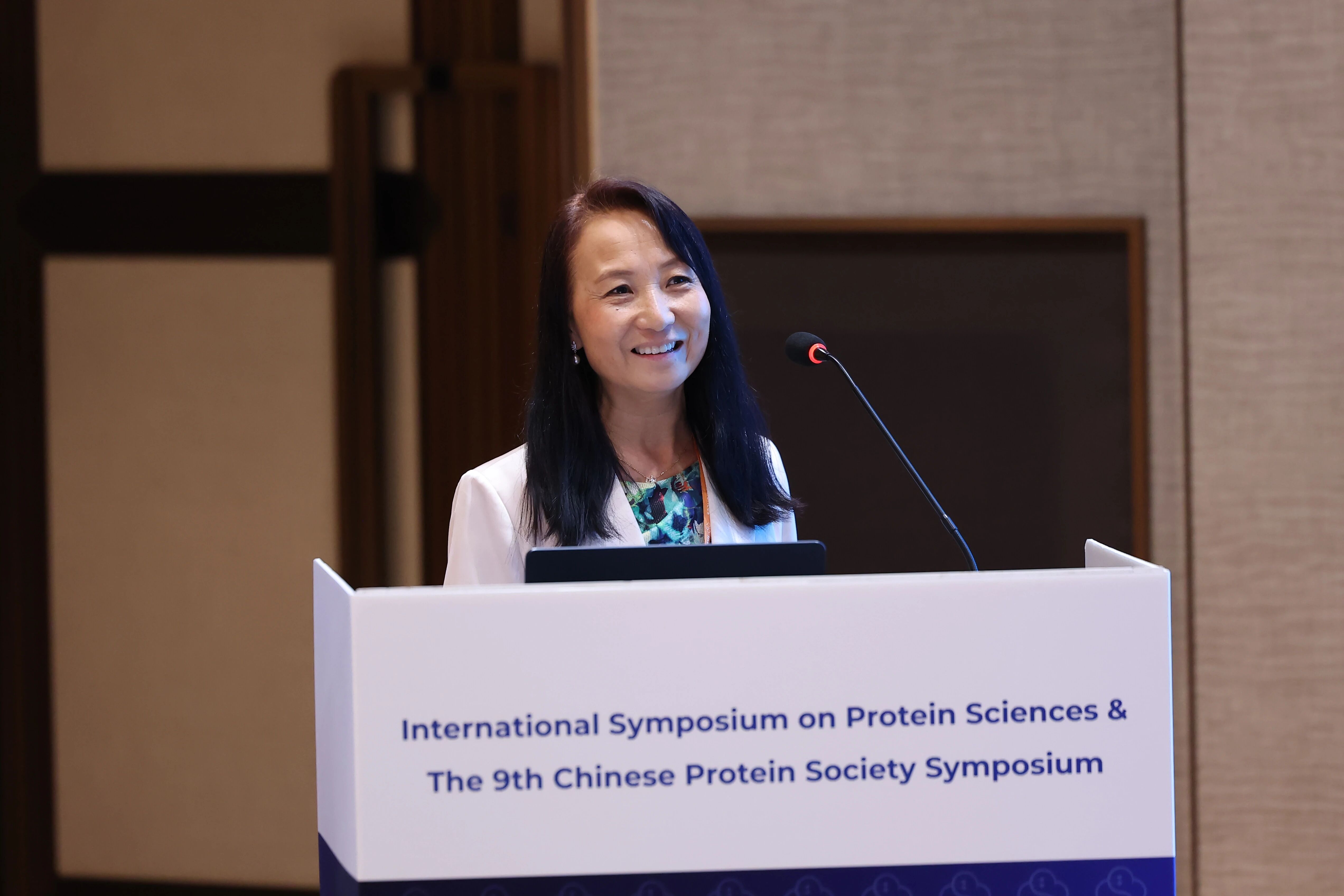
Xiaodong ZHANG
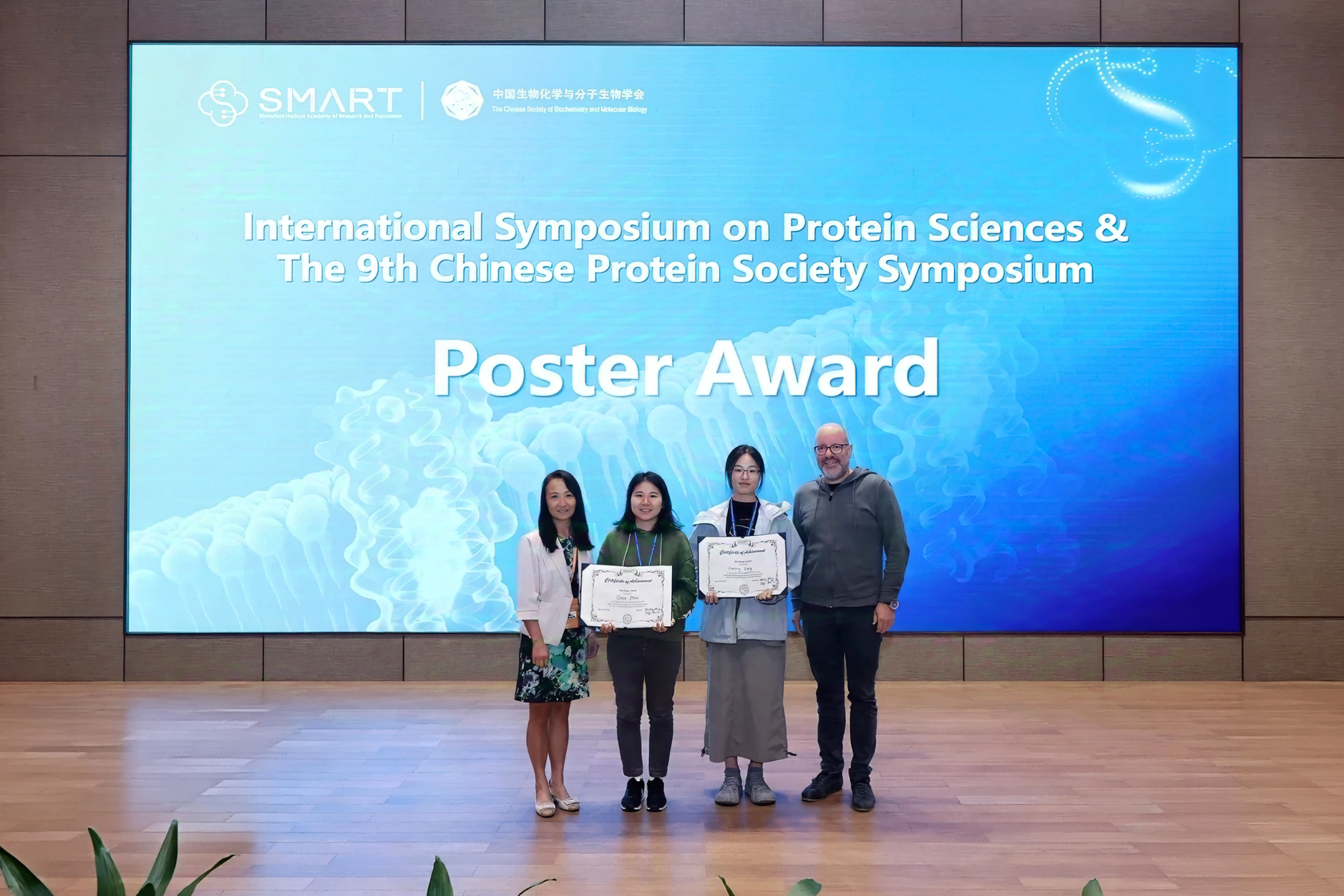
Complementing the five-day presentation, the symposium featured a poster session showcasing nearly 50 research contributions, highlighting the vitality of young scholars. The symposium concluded with closing remarks from Professor Xiaodong ZHANG (Imperial College London & The Francis Crick Institute) and wrapped up with an award ceremony for outstanding posters.
The symposium successfully established a high-level global forum that not only presented key breakthroughs and innovative technologies at the frontier of protein sciences but also promoted interdisciplinary and interinstitutional communications. The five days of intensive discussion underscored that protein science is now at a critical, technology-driven stage of convergence. We look forward to building on this symposium as a new starting point and to jointly opening a new chapter in protein science research through sustained international collaboration and knowledge sharing.
talent@smart.org.cn
researcher@smart.org.cn
recruitment@smart.org.cn
graduate_office@smart.org.cn
graduate_admission@smart.org.cn
otl@smart.org.cn
smartfund@smart.org.cn
pr@smart.org.cn
Subscription successful! Thank you for following SMART.