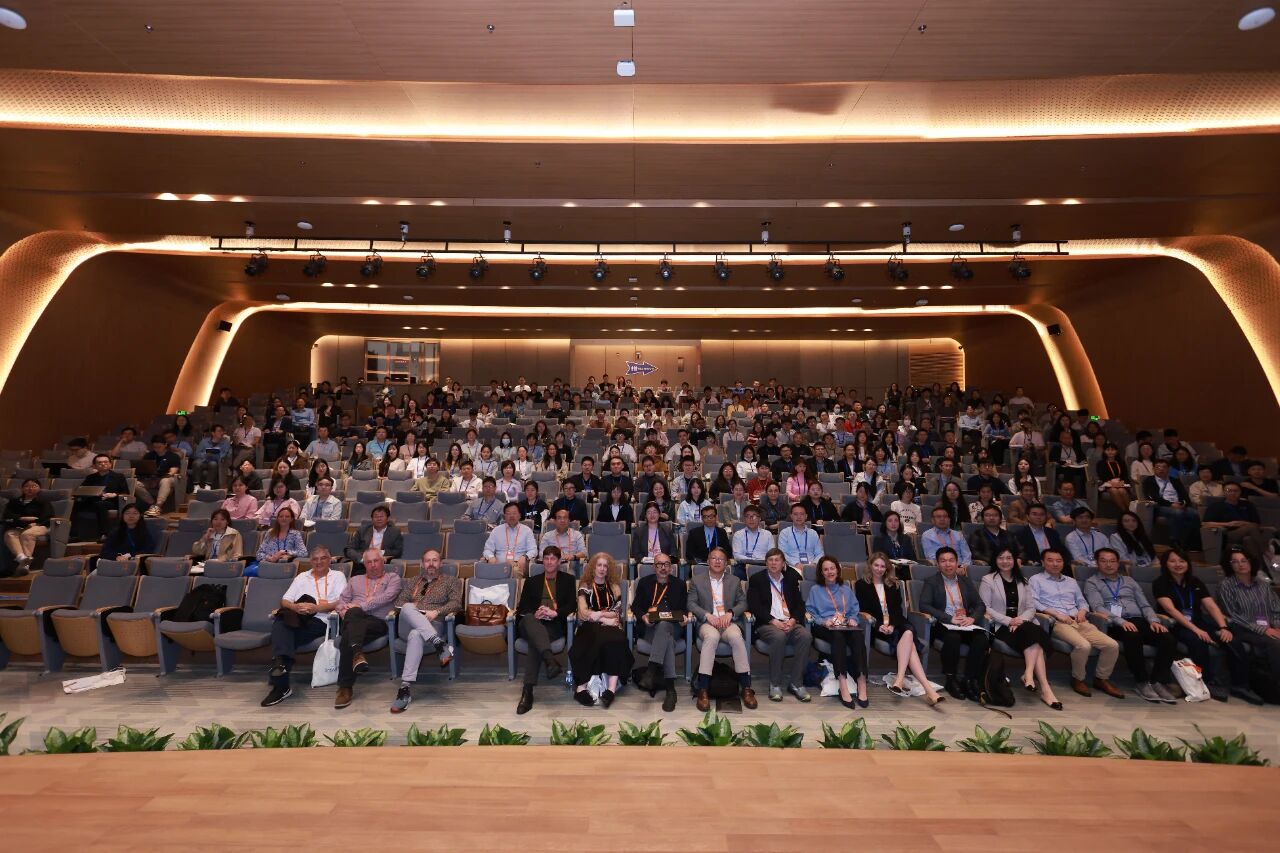
From March 3 to 5, 2025, the symposium on "Deconstruction and Reconstruction of Lymphocytes for Precision Medicine", jointly organized by the Shenzhen Medical Academy of Research and Translation (SMART) and the Institute for Immunology, Tsinghua University (IITU), was successfully held in Guangming District, Shenzhen. The symposium was co-initiated by Professor Hai Qi (Tsinghua University), Professor Mark Davis (Stanford University), Professor Carola Vinuesa (The Francis Crick Institute, UK), and Professor Laura Mackay (The University of Melbourne). It focused on the biological deconstruction and reconstruction of lymphocytes and the latest advances of precision medicine in treating cancer, autoimmune diseases, and chronic infections. The symposium brought together leading experts in immunology to explore the recognition and signal transduction of lymphocyte antigen receptors, the formation and maintenance of antigen-specific immune memory, and the innovative design of artificial chimeric receptors. Discussions also extended to the visualization of immune processes in vivo, the application of organoid models in disease research, and the integration of artificial intelligence in immunology research.
At the opening of the symposium, Professor Hai Qi, its co-chairman, delivered a welcome address, warmly greeting all participants who had traveled from near and far. He expressed confidence that through the active engagement of all attendees, the symposium would serve as a vital platform for advancing the exchange of cutting-edge research. He further emphasized that it would create new opportunities for scholars across diverse fields to engage in in-depth discussions of the latest advances, broaden the boundaries of their disciplines, and foster interdisciplinary cooperation.
The symposium opened with the session "Model Human Immunology", dedicated to the precise interpretation of the human immune system and the exploration of key immune response mechanisms, with the aim of accelerating the translation of basic immunology research into clinical applications. Mark Davis (Stanford University), serving as the keynote speaker for this session, presented his team's latest advances in lymphocyte antigen recognition, diversity, and immune memory. He noted that, compared with highly inbred mice, the human immune system is far more complex due to evolutionary pressures, yet studying these mechanisms in vivo remains challenging. To address this challenge, his team uses surgically removed tonsil and spleen tissues to construct broadly functional immune organoids. These organoids can mimic T- and B-cell responses after vaccination, support gene editing, and contribute to revealing the roles of FoxP3 and Granzyme B in regulatory T cells and autoimmunity. He also highlighted the advantages of spleen organoids in modeling immune responses and shared recent explorations in cross-tissue organoid co-culture systems. Professor Ramnik Xavier (Broad Institute) discussed the interactions between the immune system and the microbiota, revealing how gut microbes can shape immune regulation and disease susceptibility. Di Yu (The University of Queensland) focused on the ferroptosis mechanism in follicular helper T cells and its role in antibody responses. Finally, Jun Yu (The Chinese University of Hong Kong) elucidated the relationships among microbes, metabolism, and immune regulation in gastrointestinal cancers, along with the potential applications of bacteria-based adjuvant therapies.
In the second session "Antigen Receptors & Signaling", multiple experts delivered insightful presentations. Haopeng Wang (ShanghaiTech University) provided a deep analysis of the functional and molecular mechanisms of the LAG3 immune checkpoint, offering new directions for next-generation immunotherapies. Zhiwei Huang (Harbin Institute of Technology) explored the signaling mechanism of the TCR-CD3 complex from a structural biology perspective, opening new avenues for therapies targeting this pathway. The third session, "Machine Learning of Immunity", featured a series of cutting-edge research presentations. Jiangning Song (Monash University) introduced the application of artificial intelligence in biomedical data analysis and its potential to accelerate biomedical research and development. Xiaowo Wang (Tsinghua University) addressed bias control in neoantigen prediction and proposed optimized strategies. Wanlu Liu (Zhejiang University) presented a novel tool for integrating single-cell TCR sequencing data and introduced a systematic new methodology. Concluding the first day, the second keynote speaker, Professor Carola Vinuesa (The Francis Crick Institute, UK) focused on the mechanism of B-cell tolerance and its role in systemic lupus erythematosus (SLE). She noted that the genetic factors of SLE are becoming clearer, with mutations in TLR7 and SAT1 genes playing key roles in disease pathogenesis. Her research also revealed that age-associated B cells (ABCs) may be a major source of autoantibodies in patients with SLE, highlighting the potential of targeting ABCs as a novel strategy for precision therapy. Additionally, Professor Vinuesa shared her team's latest work on B-1a cells, revealing key molecular mechanisms involved in maintaining immune tolerance.
On the second day, the symposium opened with the session "T Cell State & Memory". Lilin Ye (Third Military Medical University) presented work on the status of CD8 T cells during PD-1 immune checkpoint therapy, with a particular focus on how distinct cellular subsets correlate with treatment efficacy. Meng Xu (Tsinghua University) introduced PRECISE-seq, a novel technology for identifying antigen-specific TCRs, and discussed its application in studying anti-tumor T cell function. Laura Mackay (The University of Melbourne) examined the heterogeneous diversity of tissue-resident cells across different organs, offering a detailed analysis of the characteristics and functions of T cells in breast cancer tissue. The session concluded with Bo Huang (Peking Union Medical College), who elucidated how mitochondrial ammonia metabolism regulates the fate of CD8 T cells.
Another session on the second day was dedicated to "Engineering Lymphocytes". Min Peng (Tsinghua University) presented research on inducing long-lived T cells for treating cancers, asthma, and related diseases. Qiang Pan-Hammarström (Karolinska Institute) shared her team's work on viral infections and B-cell tumors, revealing the intrinsic relationship between EBV infection and B-cell lymphoma. Peng Wu (Scripps Research) described discoveries in T-cell migration, offering new engineering directions for improving adoptive T-cell therapies against solid tumors. Subsequently, Hai Qi (Tsinghua University) summarized molecular mechanisms governing the intrinsic and extrinsic regulation of memory B cells and illustrated how brain activity modulates the formation of peripheral humoral immune memory from a neurobiological perspective. Finally, Stephen Schoenberger (La Jolla Institute for Immunology) introduced novel approaches for systematically identifying tumor neoantigens and matching TCRs, providing novel insights for precise cancer therapy.
On the third morning, the symposium moved into the session "Immune Surveillance and Responses in Vivo". The session began with the third keynote speaker, Chen Dong (Westlake University), who provided an overview of the regulation of T cell fate in cancers and its relationship to PD-1 treatment response. He noted that while combining anti-PD-1 with lenvatinib improves clinical efficacy, the underlying immunological mechanisms remain unclear. Using single-cell transcriptomics and TCR clonotype analysis, his team identified T-cell subsets associated with clinical response and resistance, notably Foxp3+CD4+ and KIR+CD8+ T cells. Their work suggests that targeting these regulatory cells could enhance immunotherapy outcomes. Studying cancer models, Chen's team also observed abundant peripherally induced Treg cells in the tumor microenvironment. Depleting these cells can trigger an anti-tumor response and enhance CD8+ T cell function. Further experiments revealed that IFN-γ-expressing Th1 cells can convert into Treg cells highly express T-bet, and that CD39 plays a key role in T-bet+ Treg cells. Together, these findings offer new therapeutic avenues for targeting Treg cells in cancer. Subsequently, Matteo Iannacone (San Raffaele Scientific Institute) described the unique functions of CD8 T cells in the liver. By developing novel transgenic mouse models, his team systematically elucidated how these cells function in liver pathology, revealing novel targets and strategies for treating related diseases. Vijay Kuchroo (Harvard University) outlined the key molecular mechanisms by which the peripheral nervous system interacts with the immune system to help the body combat inflammation, unlocking new paths for immunotherapies against allergic and other inflammatory disorders. Xuemei Tong (Shanghai Jiao Tong University) explained how lactate regulates CD8 T cells and regulatory T cells in the tumor microenvironment from the perspective of metabolism. Her work points to metabolic pathways as potential targets for enhancing anti-tumor immunity. Finally, Stephen Nutt (Walter and Eliza Hall Institute of Medical Research) characterized different tissue-resident plasma cell populations. Using mammary tissue as an example, he illustrated how these cells function within the local immune microenvironment.
The final session of the symposium was dedicated to "Precision Therapies". Jonathan Kipnis (University of Washington) focused on the functional and molecular mechanisms of antigen-specific T cells in neurological diseases, proposing novel avenues for T-cell therapies in neurodegenerative diseases. Huji Xu (Naval Medical University) systematically reviewed the development and application of universal CAR-T therapies in autoimmune diseases, offering novel perspectives and insights for treating these conditions. Lisa Butterfield (Merck) presented her work on tumor vaccines and the corresponding T-cell responses in melanoma.
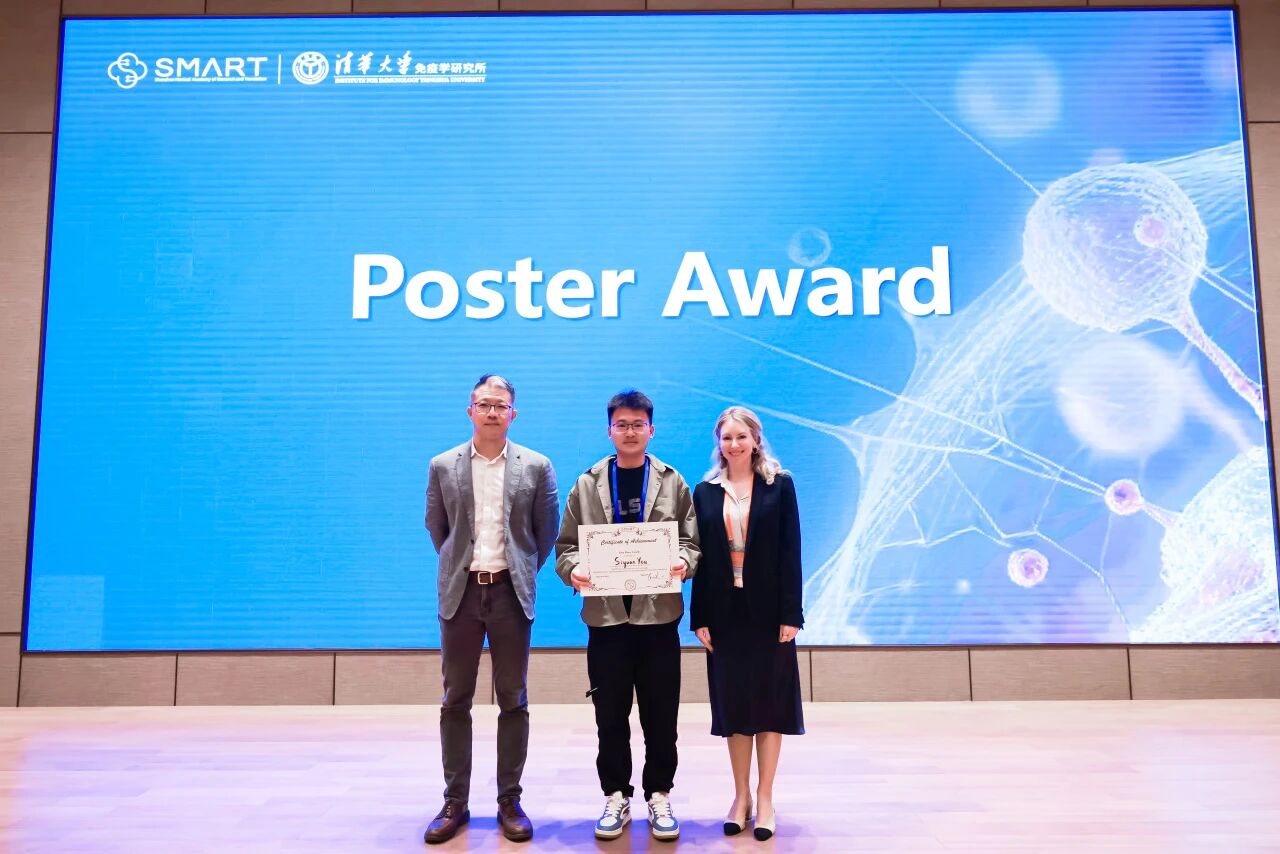
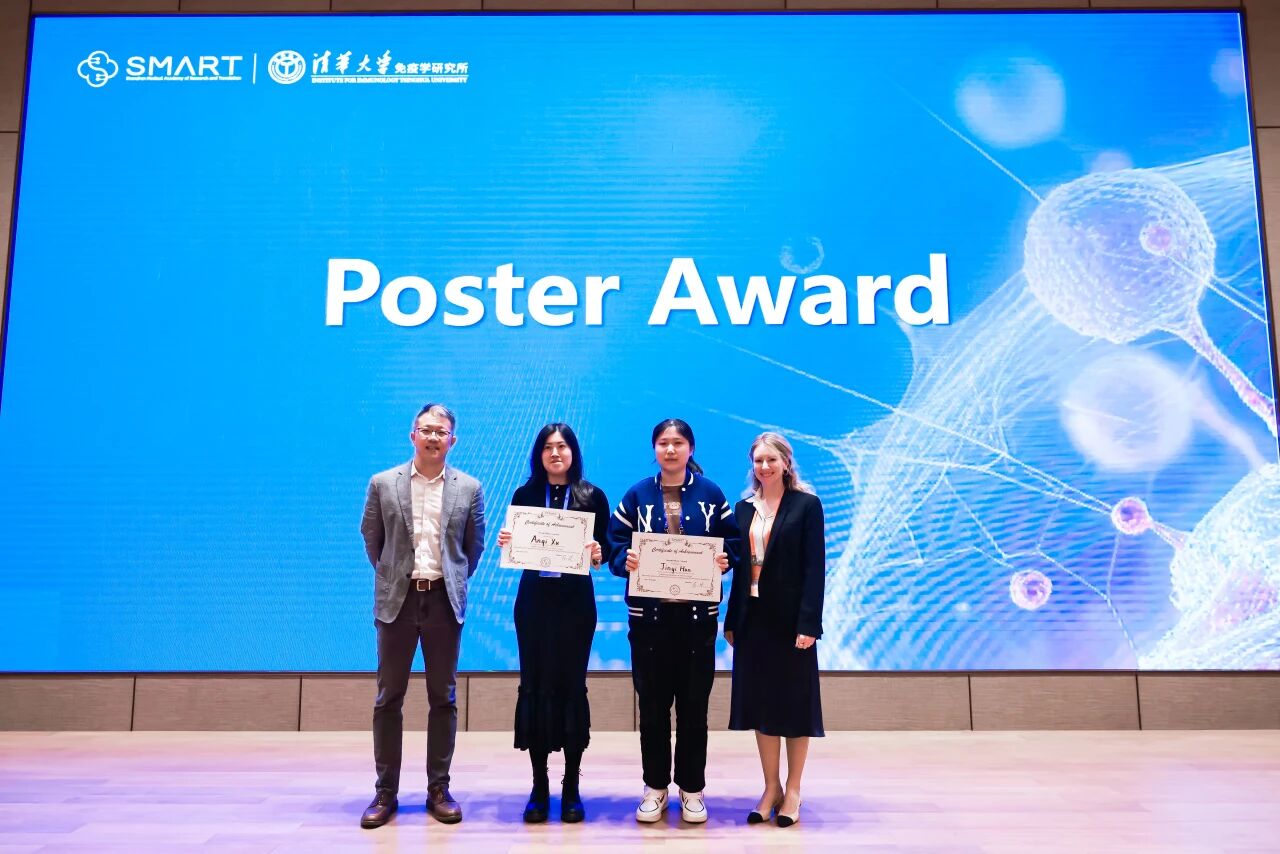
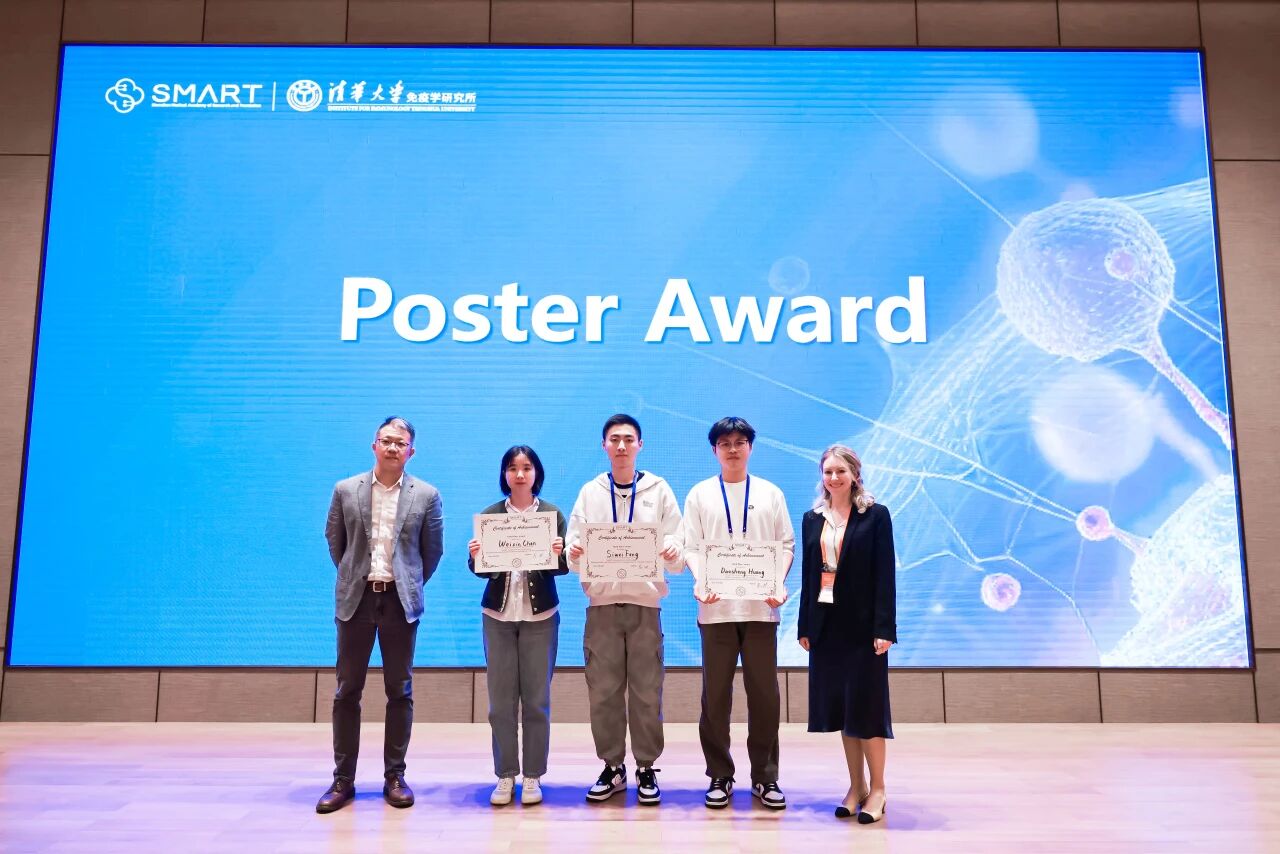
Finally, the symposium reached its intellectual peak with the fourth keynote speaker, Tak Mak (University of Toronto). Tak Mak highlighted his team's pioneering contributions in T-cell receptor, immune checkpoint, and targeted tumor metabolism. He then focused on their recent work in neuroimmunology, elucidating the critical functions of acetylcholine-producing T cells during pathogen infection, in tumor contexts, and in maintaining physiological homeostasis. He further described the essential role of acetylcholine-secreting B cells in promoting liver regeneration. Together, these findings reveal how immune cells regulate various functions in both health and disease by producing neurotransmitters, representing an important advance in neuroimmunology.
The symposium included a dedicated session of short presentations selected from submitted abstracts, delivered by scholars from Tsinghua University, Tsinghua Shenzhen International Graduate School, Zhejiang University, Suzhou Institute of Systems Medicine, Chinese Academy of Medical Sciences, Southwest Hospital, and other institutions across various topics. Throughout the symposium, the atmosphere remained vibrant, with lively questioning and discussions. Best Poster Awards were presented to encourage the contributions of student attendees. The symposium served not only as a pivotal forum for dialogue among global immunology experts but also infused momentum into the translation of basic research toward clinical application. We look forward to hosting more such gatherings in the future, fostering worldwide scientific collaboration to explore uncharted territories in immunology and advance the cause of human health.
talent@smart.org.cn
researcher@smart.org.cn
recruitment@smart.org.cn
graduate_office@smart.org.cn
graduate_admission@smart.org.cn
otl@smart.org.cn
smartfund@smart.org.cn
pr@smart.org.cn
Subscription successful! Thank you for following SMART.